uae
-
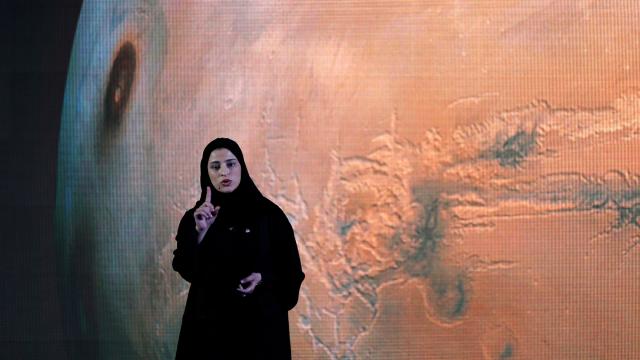
The UAE Will Lead The First Arab Mission To Mars

The list of countries that have mounted successful missions to Mars is not exactly long: the US and Russia, as you’d expect, and more recently India. But now the United Arab Emirates has an ambitious plan to enter the race as soon as 2020.
-

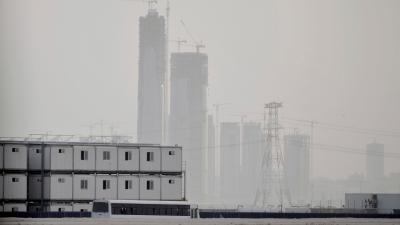
How The Persian Gulf Is Quietly Building A Railroad Empire
In the US, the arrival of a new tunnel boring machine is huge news, warranting naming ceremonies and Twitter accounts. Meanwhile, in Doha, officials have quietly signed a contract to buy 15 boring machines to build a sprawling new train system. And that’s nothing compared to the massive transit network being built to connect the…

-

New Airport Complex Takes Shape In Abu Dhabi
A new airport complex is taking shape in Abu Dhabi, where roughly 12,000 construction workers are on-site daily to finish the massive structure, whose floor area is larger than that of the Pentagon. According to UAE paper The National, it will take 76,000 tonnes of steel to build the structure’s dramatic arches, designed by New…

-
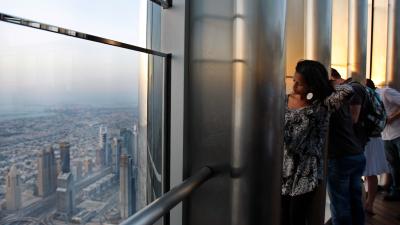
Skydiving, Like Everything Else, Is Even Crazier In Dubai

Dubai is full of unbelievable things, like the tallest building in the world and a shopping centre with a ski slope. It’s pretty awesome, but you know what makes it even better? Skydiving over it.