tsunami
-
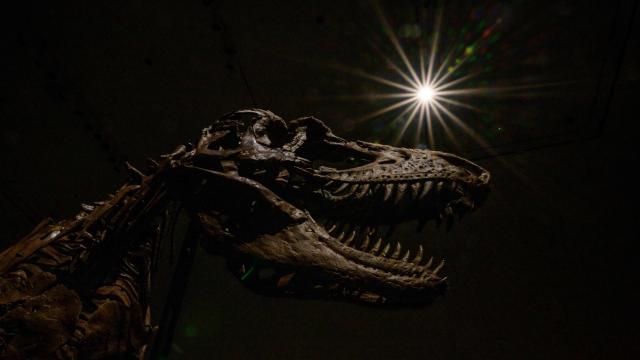
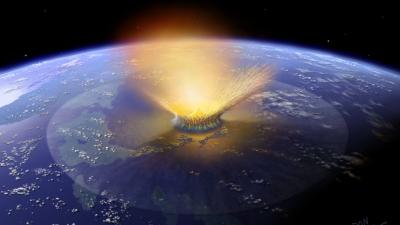
The Asteroid That Killed the Dinosaurs Spawned a Monster Tsunami

A team modelling the aftermath of the asteroid impact that doomed the dinosaurs 66 million years ago say that the collision also created a global tsunami that devastated coastlines from North America to New Zealand.
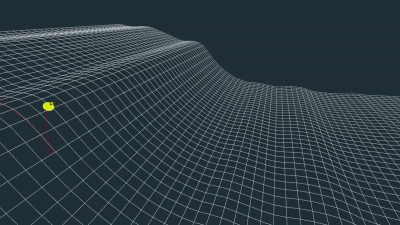


-
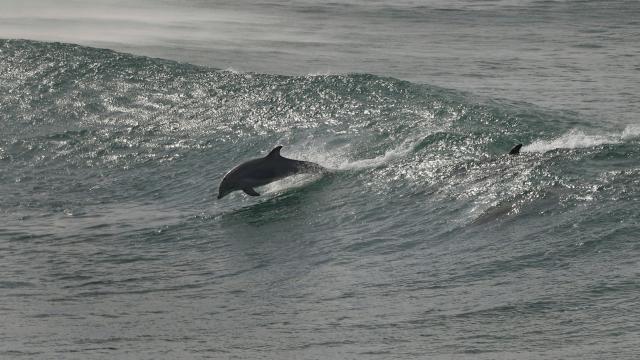
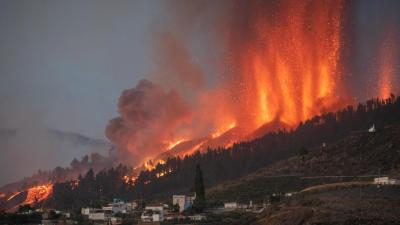
Tsunami Warning Issued After Violent Volcanic Eruption Near Tonga Downgraded
A major volcanic eruption has rocked the small island nation of Tonga, causing tsunami warnings to go up across the Pacific from Australia to the U.S.
-
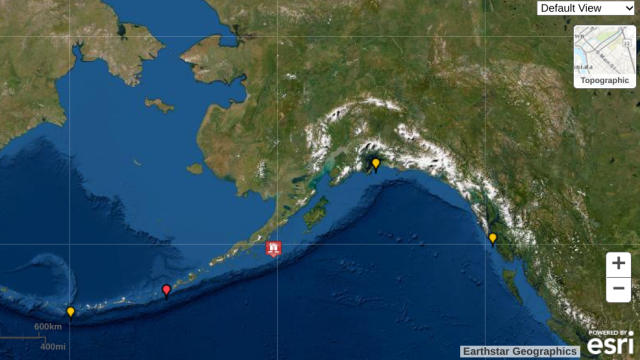
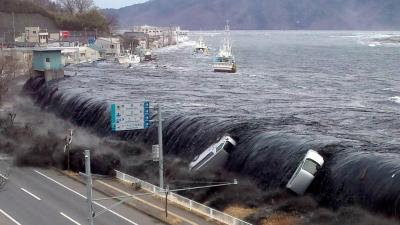
8.2 Earthquake Just 97 km From Alaska Coast Triggers Tsunami Warning
An 8.2 magnitude earthquake struck off the coast of Alaska, roughly 97 km southeast of the town of Chignik, triggering a tsunami warning for large parts of Alaska early Thursday morning, according to the U.S. Tsunami Warning System.
-
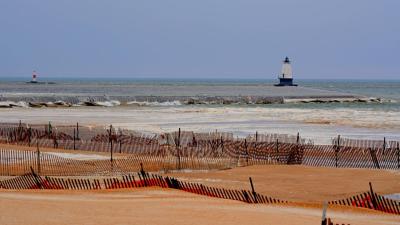
What is a Marine Threat Tsunami?

On Thursday morning a Marine Threat Tsunami Warning was issued for Lord Howe Island in the Tasman Sea. This is what that means. Australia’s Bureau of Meteorology (BOM) announced the marine threat Tsunami in the early hours of Thursday morning. This was the result of a 7.7-magnitude earthquake that hit 417 kilometres east of Tadine…