ska
-
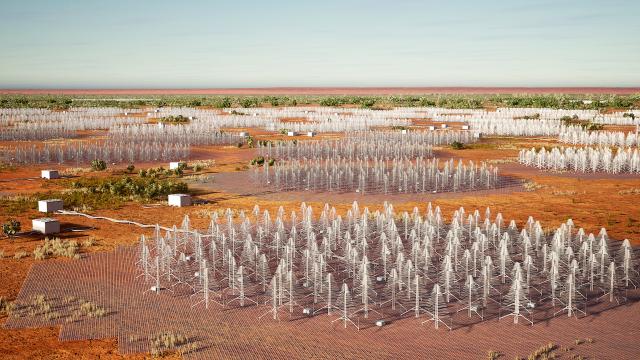
‘It Will Define the Next 50 Years’: Construction Begins on World’s Largest Radio Telescopes in WA

It’s part of the Square Kilometre Array, or SKA, which is an international project to build the world’s largest radio telescope.


-

Ska Tune Network Turns a Beautiful Steven Universe Song Into a Self-Affirmation Anthem

Ska Tune Network is one of my favourite YouTube channels. They take some great music and combine it with the most earnest genre of modern times, ska, to create vibrant, entertaining covers and lots of great new tunes to boot. In their latest video, they tackle a really great choice: “Change Your Mind” from Steven…


-
Labor Leader Hopefuls Demand Better Science, Space Exploration For Australia
Let’s face it: leadership debates are always pretty boring. Last night’s one, however, could be declared the exception to the rule. Labor leader hopefuls Anthony Albanese and Bill Shorten last night opined about Australia’s commitment to science, and whether our great nation will ever have its own space agency.

-
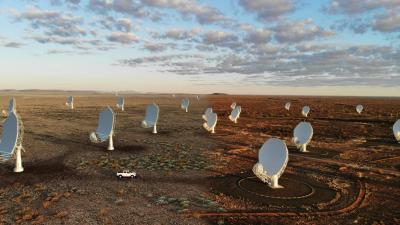
CSIRO Opens The ASKAP: A New Chapter For Radio Astronomy Begins

Today, after several years of design and construction, CSIRO’s Australian Square Kilometre Array Pathfinder (ASKAP) is officially open, sporting Australian-built star-mapping technology many thought was impossible to construct.