republished
-
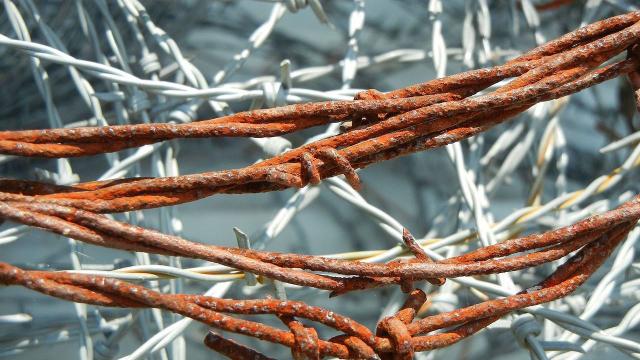
Barbed Wire’s Dark, Deadly History

In the mid 1800s, not many (non-native) Americans had ever been west of the Mississippi. When Frederick Law Olmstead visited the west in the 1850s, he remarked that the plains looked like a sea of grasses that moved “in swells after a great storm.” Massive herds of buffalo wandered the plains. Cowboys shepherded cattle across…

-

NSFW: 7 High-Tech Sex Toys To Liven Up A Belated Valentine’s Night
Busy over the weekend? No matter, these things can wait. Valentine’s Day may just be another consumerist Hallmark holiday — but that doesn’t mean you can’t have a little fun with it. So instead of jewellery or flowers, why not get your loved one something a little more… animated? (Not safe for work!)

-
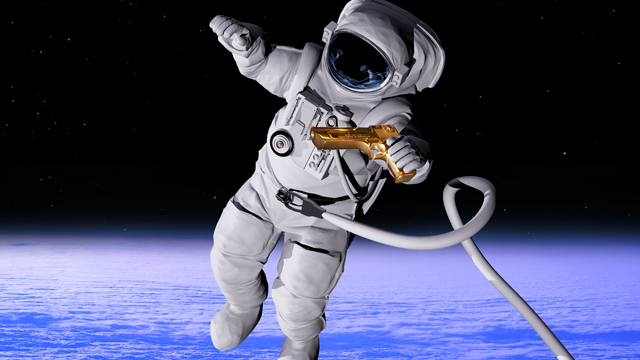
Can You Shoot A Gun In Space?
Space is full of potential dangers — rogue comets, Martians, bags full of astronaut poop, you name it. But if it really came down to it, and you did have to defend yourself against an interstellar attacker, would a traditional gun actually be able to do the trick?

-

Absolutely Everything You Ever Wanted To Know About Aeroplane Controls
All of them? If you’re talking about a commercial airliner, then there’s hundreds and hundreds. There are big, fat manuals describing what they all do. But, since you asked, buckle up.