projectors
-
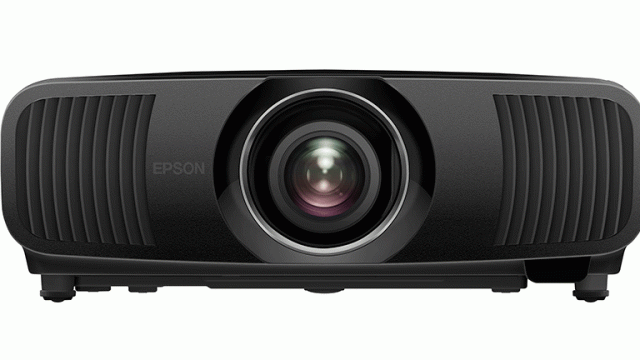
Epson’s New Laser Projector Takes a Clever Approach to Achieve Full 4K

Projectors were once the exclusive choice of home theatre enthusiasts happy to plunk down tens of thousands of dollars for a 100-inch screen. But projectors have since dropped in price significantly, thanks in part to companies like Epson whose new 4K laser projector uses cheaper high-def components in a clever way to create images with…

-
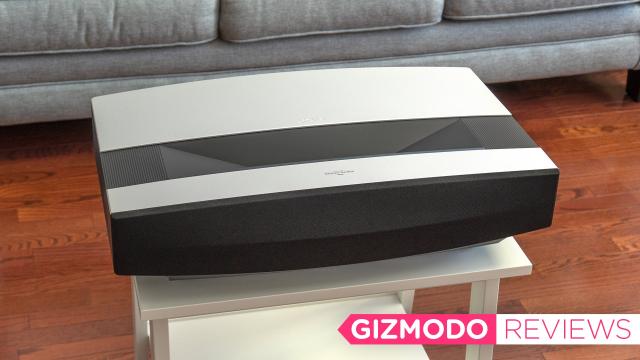
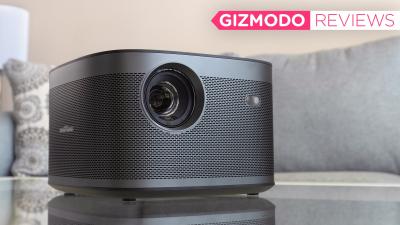
This A$3,400 Short-Throw 4K Laser Projector Is All About the Trade-Offs
Until this whole pandemic thing is officially over, going to the movies will never be completely safe, so it’s as good a time as any to upgrade your home theatre. Projectors are cheaper and more capable than ever, but there are some tough decisions to make, as XGIMI’s new Aura short-throw laser projector demonstrates. You’ll…
-
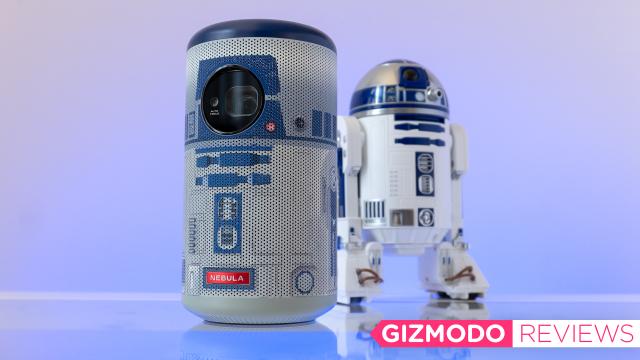
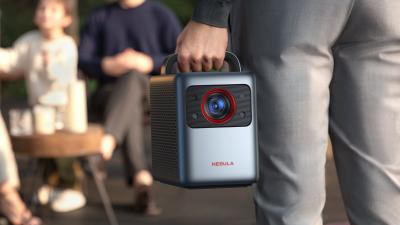
Anker’s R2-D2 Mini Projector Is Adorable but Flawed
They say if you build a better mouse trap, the world will beat a path to your door, but you can probably be just as successful by slapping some Star Wars graphics on it instead. That’s what Anker’s done with its Nebula Capsule II mini projector, which now looks like a legless version of R2-D2.…



-
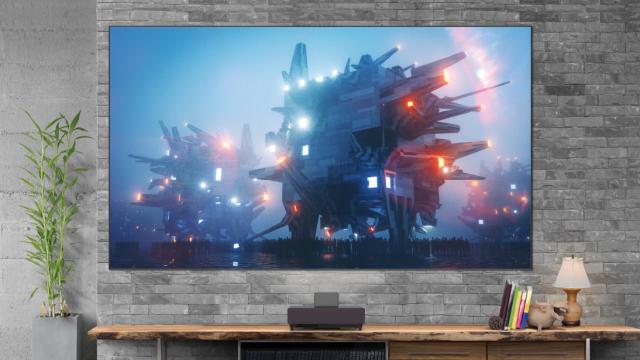
Epson Debuts New Ultra Short-Throw, Android-Powered 4K Projector
For film enthusiasts, the pandemic has presented an ongoing question: Should we invest in better at-home entertainment, or does it make sense to hold out for the (presumed) reopening of cinemas? Gadget makers would very much prefer the former, with companies like Samsung and Epson framing the pandemic as good a time as any to…