open internet
-

Report: European Parliament Screwed Up Their Chance To Amend Copyright Directive By Voting Wrong

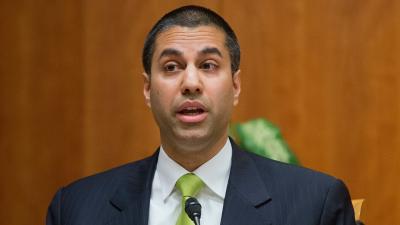
The European Parliament approved a massive, sweeping overhaul of online copyright rules on Tuesday, leaving the extremely controversial Articles 11 and 13 untouched on as the EU Copyright Directive cruised through the legislative body. According to a report on TechDirt, they may have done so in part because several members of the European Parliament cast…

-
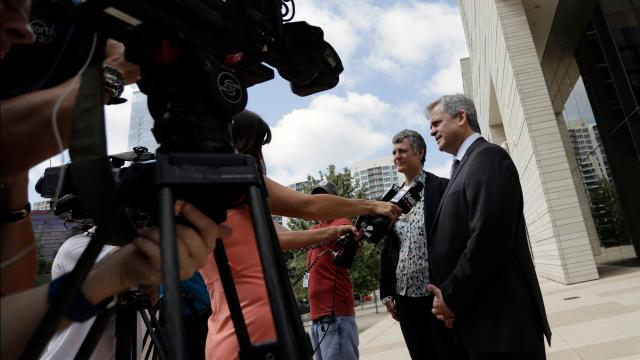
100 US Mayors Sign Pledge To Defend Net Neutrality Against Crooked ISPs

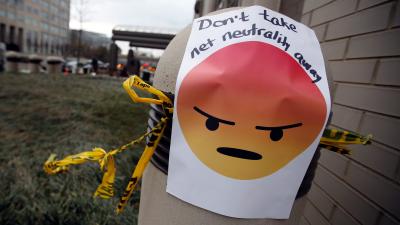
More than 100 US mayors have signed a pledge to hold internet service providers accountable for net neutrality violations, despite the FCC’s vote to repeal the regulations late last year.
-

A Recent Update From Google Could Severely Hamper Anti-Censorship Tools
A recent change to Google’s App Engine will discontinue a practice called domain-fronting, an essential technique used by dozens of internet freedom tools designed to allow users to work around state-level internet censorship.

-
The US FCC’s Net Neutrality Comments Will Be Investigated For Fraud (In Five Months)
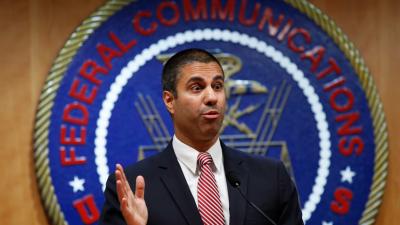
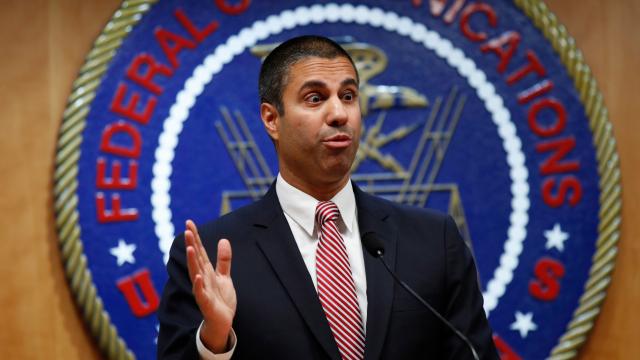
Under the tenure of its new Donald Trump-appointed chair Ajit Pai, the US Federal Communications Commission recently revoked Barack Obama-era regulations mandating service providers abide by net neutrality rules. But on the way there, the agency had to overlook millions of allegedly fraudulent comments submitted to its Electronic Comment Filing System – likely corrupting one…