notebooks
-
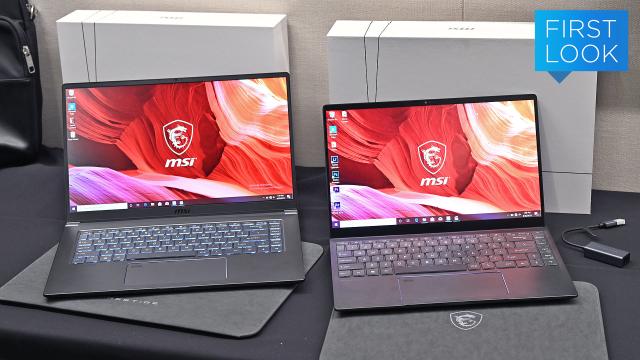
MSI’s Prestige Laptops Bring Big Gaming Performance To A Broader Audience

For most people, MSI is synonymous with big, powerful gaming laptops. But thanks to the number of aspiring video editors, 3D pros and other digital artists, there’s a growing demand for systems with gaming-level performance, but tweaked for other applications. To meet this demand, MSI is announcing its new Content Creation Series laptops which are…


-
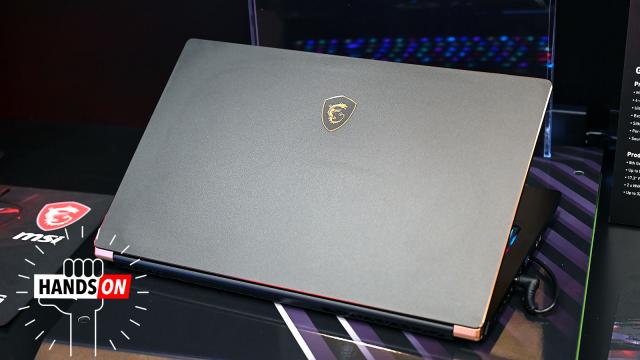
MSI’s Latest Laptops Are Smaller, Sturdier, And Some Even Vibrate
When MSI released the GS65 last year, it took a risk. Instead of making something massively powerful like the GT75, MSI swapped out its typical red-and-black colour scheme and focused on a thin-and-light to create a more portable, but still fast all-rounder. And as a result, the GS65 became the company’s best selling laptop of…
-
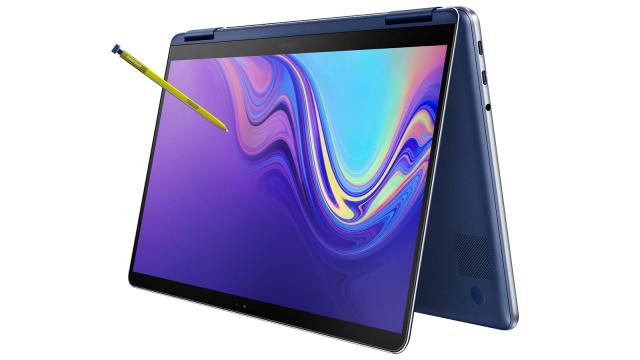
Samsung Kicks Off CES Early With A Competent But Not Terribly Exciting 2-in-1 Laptop
We’re less than a month away from the biggest tech show of the year (I can feel my heart rate rise just thinking about it), but it seems Samsung couldn’t wait until early January to announce its new Notebook 9 Pen.


-

HP’s Overkill Convertible Makes Your Surface Pro Look Wimpy And Weak
Want a laptop that lets you get in a quick Overwatch match after you’re done editing some video on its 4K display? How about a convertible that lets you crank out screeds even with the keyboard a few feet away? Need a tablet that lets you create and edit images without worrying about your stylus’…