metals
-
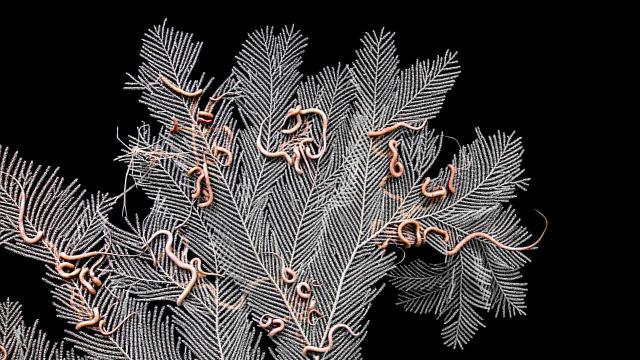
Mining The Deep Sea Could Mean Unique Ecosystems Are ‘Lost Forever’

A new analysis of 250 studies has found that the negative impacts of deep sea mining would be severe and could last millions of years.

-

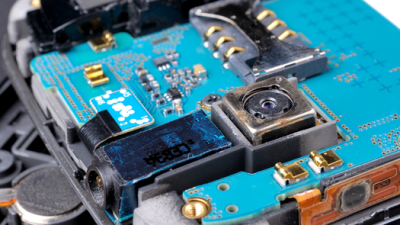
Why Are We So Bad At Recycling Rare Metals From Technology?
Last month, the internet flew into a frenzy over news that Apple recovered $US40 ($52) million worth of gold from old gadgets last year. That story turned out to be wildly oversold. But our eagerness to celebrate a tech company’s recycling victory speaks to a disturbing truth.
-
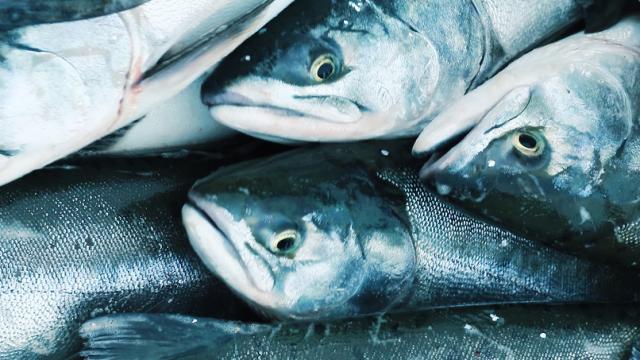
Recycling Rare Earth Metals With, Yes, Fish Sperm
If you’re not up on your fish-cum-metal news, then you might be forgiven for finding the idea of using fish sperm to recycle rare earth elements entirely bizarre. But, no, fish sperm has a real albeit weird little niche in materials science. Let us be your guide through it.
-
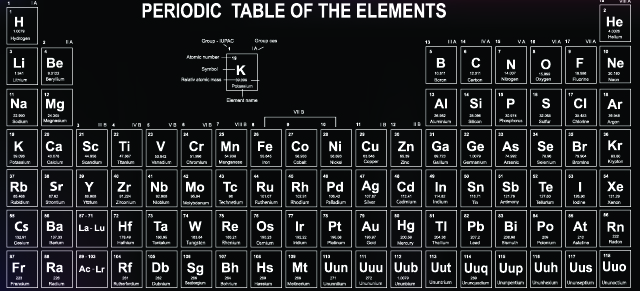
Scientists Have Confirmed The Heaviest Metal Ever Observed: Ununseptium

An international team of researchers has just published a paper confirming the existence of element number 117 — ununseptium. It’s the heaviest element ever created, with an atom of ununseptium outweighing an atom of lead by 40 per cent. Make some room on your periodic table, there’s a new metal in town.