intel
-
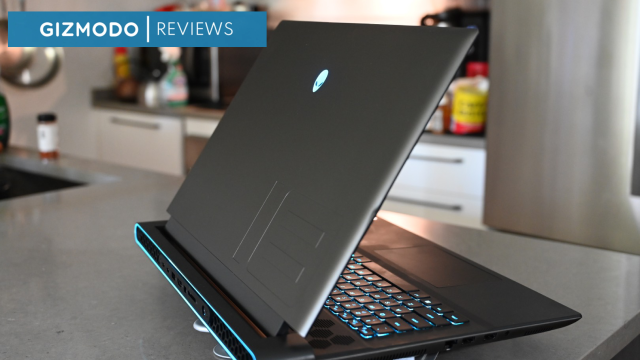
Alienware m18 R2 is a Beast of a Machine

The latest iteration of the Alienware m18 is power personified with its over-the-top specs, however, you’re going to pay a pretty penny for the privilege.

-
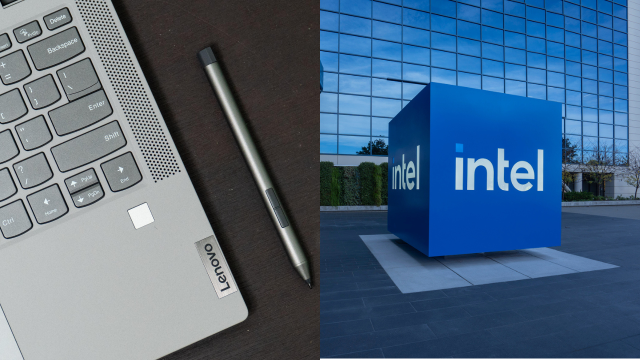
Older Intel and Lenovo Hardware Has Hackable Firmware Bugs That Will Never Be Fixed, Researchers Find
Because of an open source software component that never got a proper fix, some widely used computer products have security issues that are vulnerable.

-
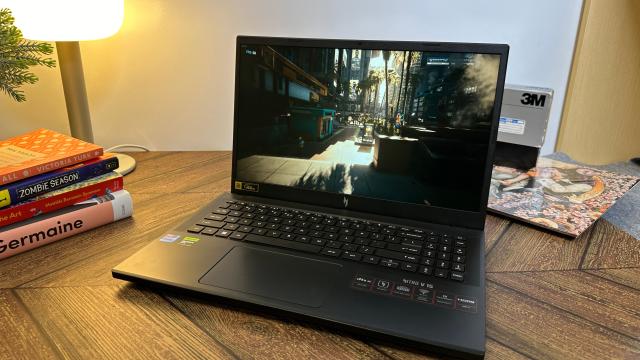
How to Get Better Framerates for PC Gaming
Many of us grew up in the age when playing PC games at their highest settings required a hefty rig. For laptop users who weren’t willing to shell out thousands of dollars for a gaming-capable portable device, it always felt like you were being lapped by those with the space and deep pockets to afford…


-

Tech News: 5 Things to Know in Australia Today

From Tangerine suffering a cyber incident to Apple’s warning for Down Under, here are five things headlining tech news in Australia.