gulf of mexico
-
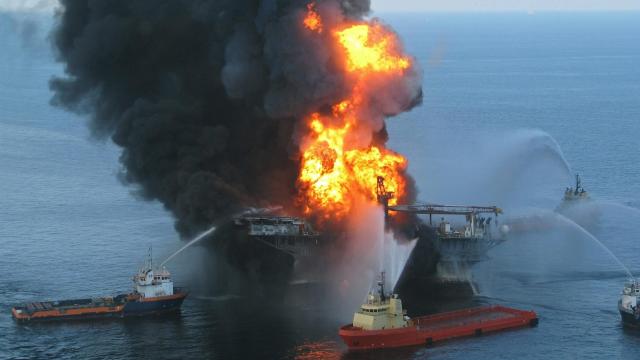
Oil From the 2010 Deepwater Horizon Disaster Continues to Spread in Disturbing Ways

An estimated 4.9 million barrels of oil gushed into the Gulf of Mexico during the Deepwater Horizon spill of 2010. New research chronicles the fate of the oil that wasn’t cleaned up.
-
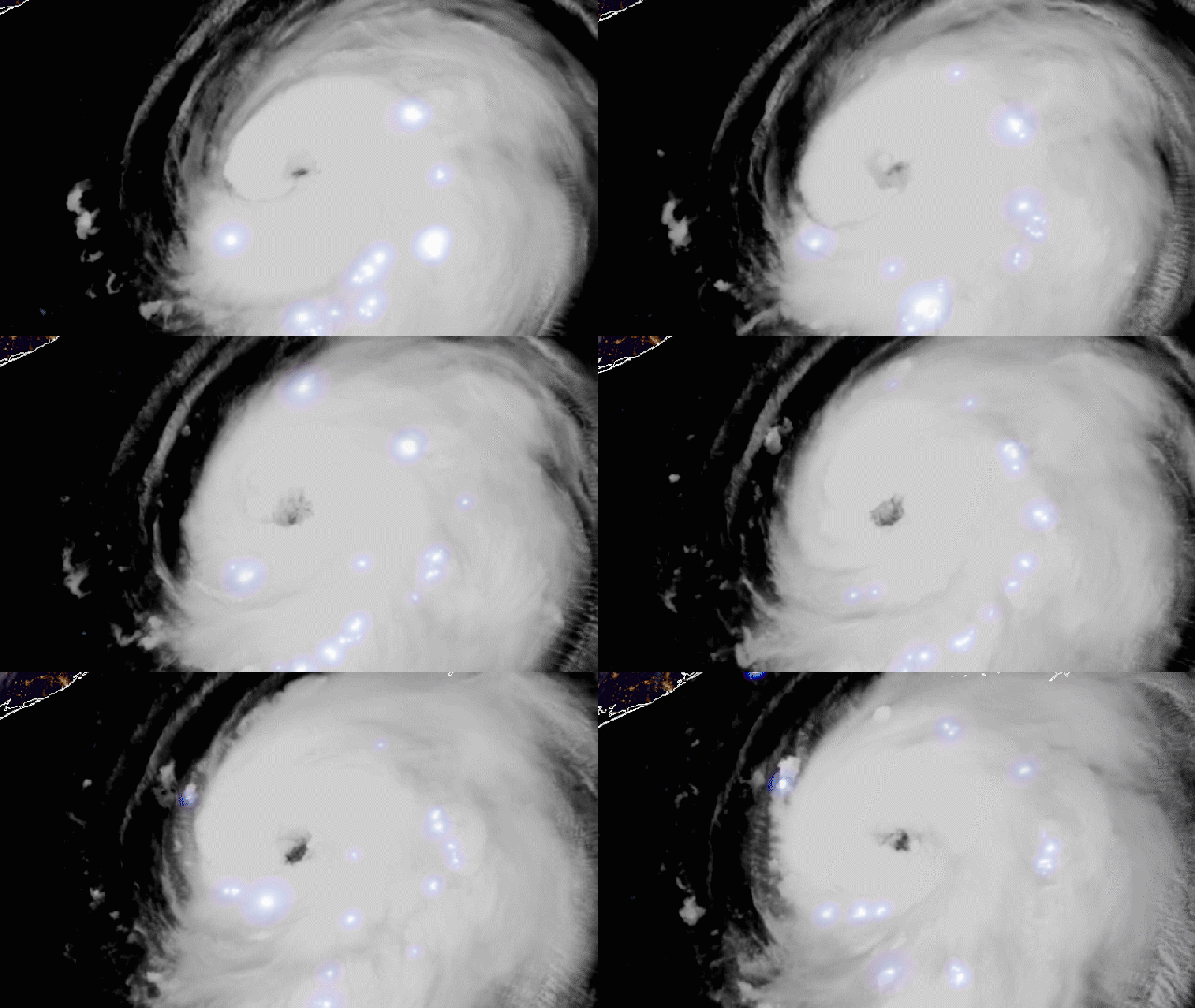
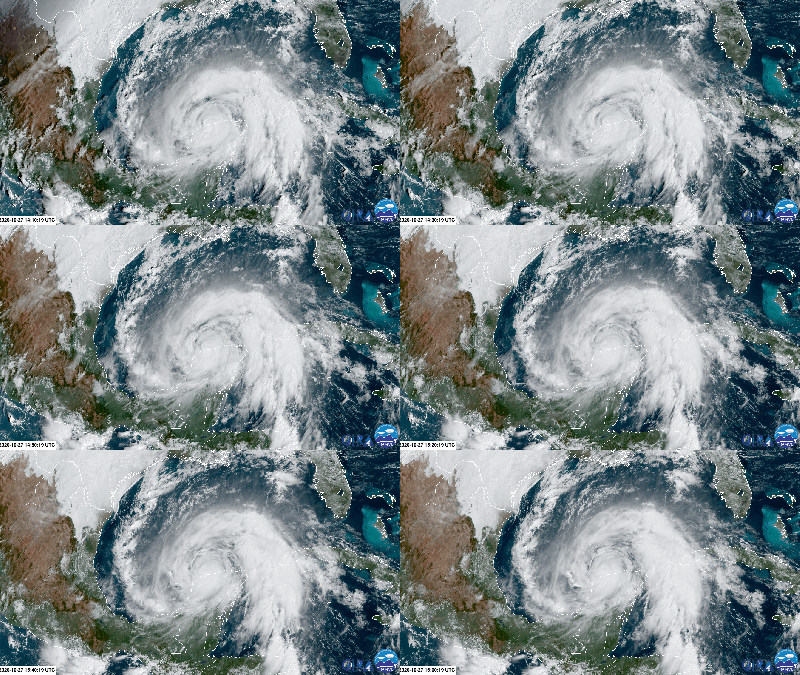
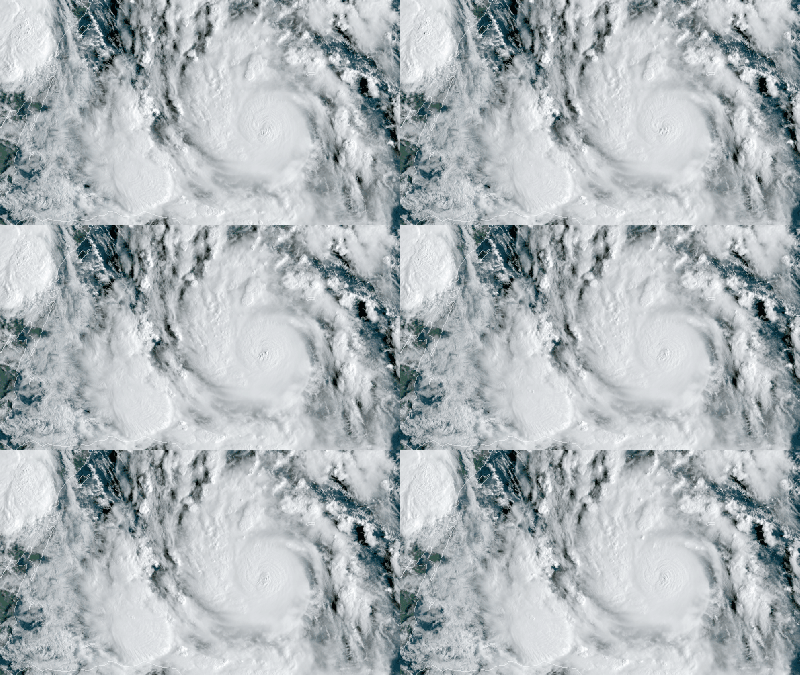
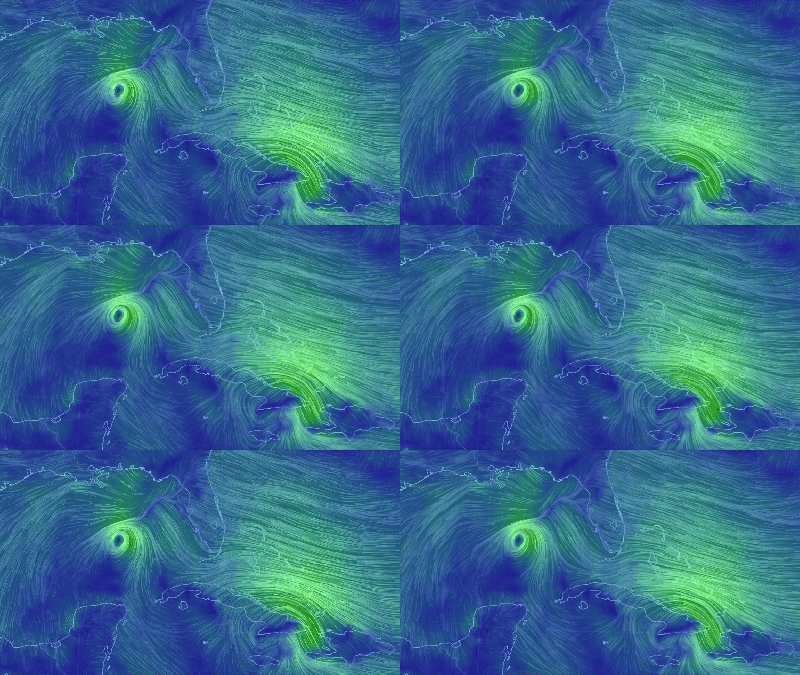
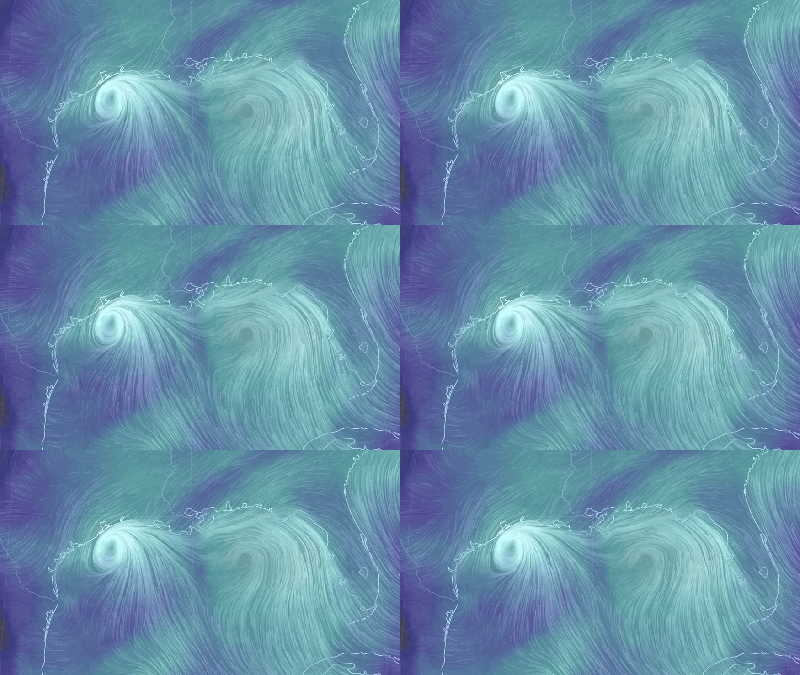
Hurricane Laura Forecast Goes From Bad to Catastrophic
Gulf Coast residents are waking up to a nightmare on Wednesday. Hurricane Laura has ballooned in size and strength, becoming the Atlantic’s first major hurricane of the season. The storm is forecast to keep intensifying up until landfall and is poised to be a massively destructive Category 4.

-
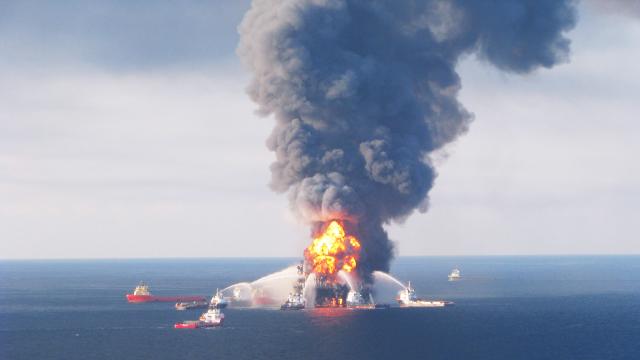
We’re About To Lose One Of Our Best Tools To Study The BP Oil Spill’s Fallout
BP’s Deepwater Horizon platform exploded 10 years ago today, but the Gulf of Mexico may never be the same. That’s especially true for the deep seas around the site, where researchers have yet to see any major improvement in the decade following the environmental disaster that saw nearly 5 million barrels of oil gush into…
-
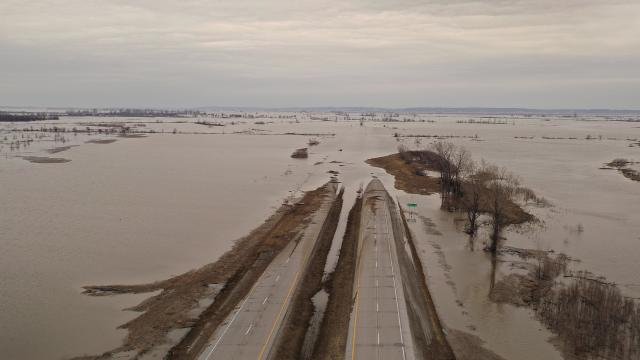
How Historic Flooding In The Midwest Could Fuel The Gulf Of Mexico ‘Dead Zone’

The byzantine flooding crisis of historic proportions. The multibillion disaster centered in Nebraska will spread this spring, with above average rainfall expected to cause floods to impact some 200 million Americans living near rivers. And it won’t necessarily end once it reaches the Gulf of Mexico.