fuel
-
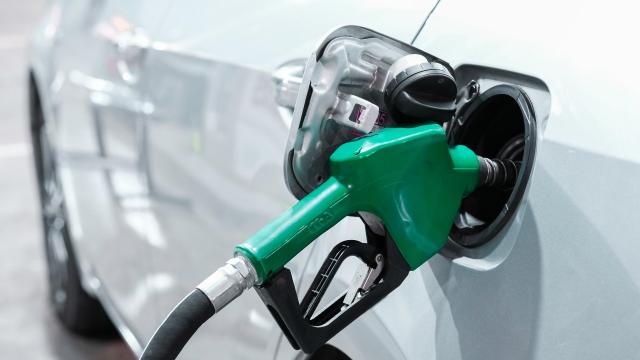
5 Tips to Make Your Fuel Tank Last Longer While Prices Are High

The federal government’s announcement of a halved fuel excise is no doubt music to many people’s ears. Following Tuesday night’s budget release, the excise (a government tax included in the purchase price of fuel) was halved from 44.2 cents per litre to 22.1 cents. It should provide some respite from high petrol and diesel prices…

-
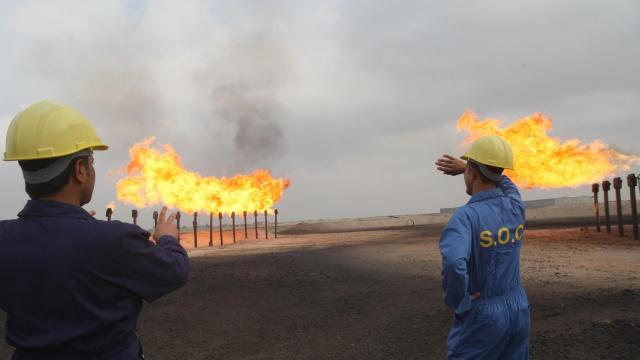
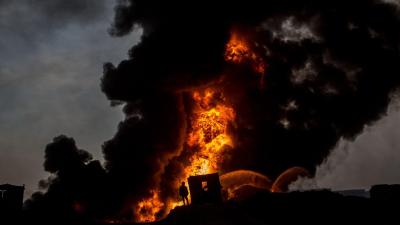
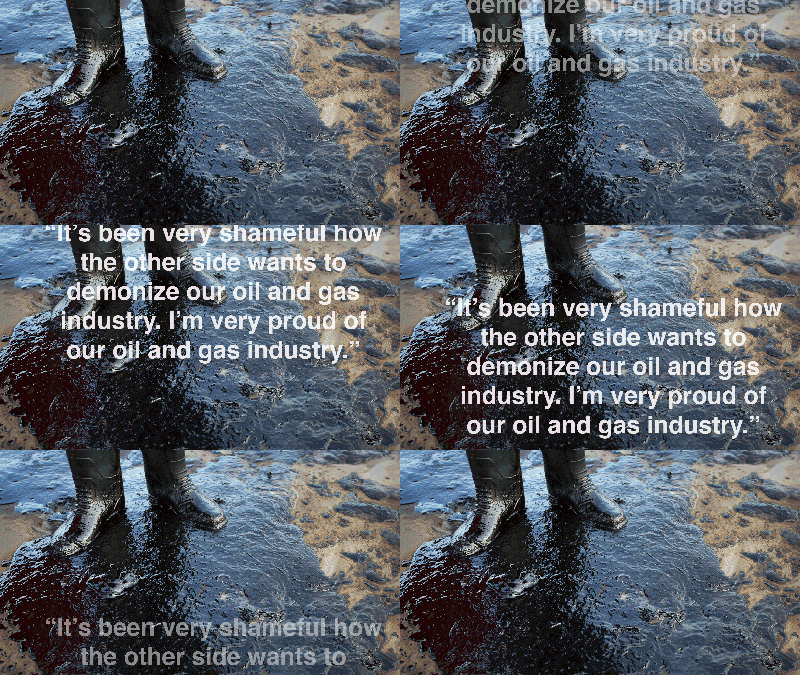
Top Gas Exporters Say They’re Victims of ‘Cancel Culture’

The woke mob has moved on from Aaron Rodgers to find something new to stuff into the “cancel culture casket.” That something is poor, misunderstood fossil fuels.
-
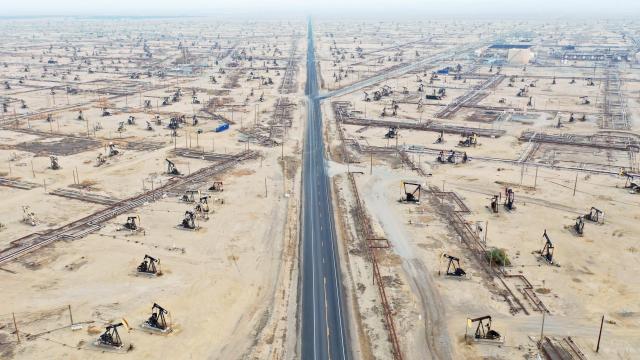
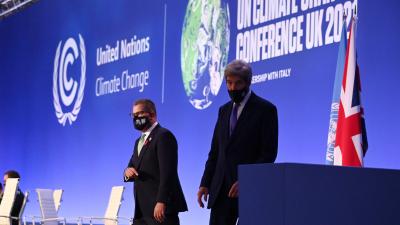
U.S. and 19 Other Countries Agree to Stop Funding Fossil Fuel Projects Abroad
GLASGOW, SCOTLAND — In a major announcement at United Nations climate talks on Thursday, 20 countries said they would stop funding fossil fuel development abroad and instead plow money into clean energy.

-
Could Fossil Fuel Companies Ever Be Tried for Crimes Against Humanity?
Someone does something wrong, and is held accountable for it. It’s a pleasant notion, one with no bearing whatsoever on the world of the super-rich, whose various plunderings, deceptions, and general anti-humanity behaviours have gone and will continue to go unpunished. But does it have to be this way? Might we one day see an…