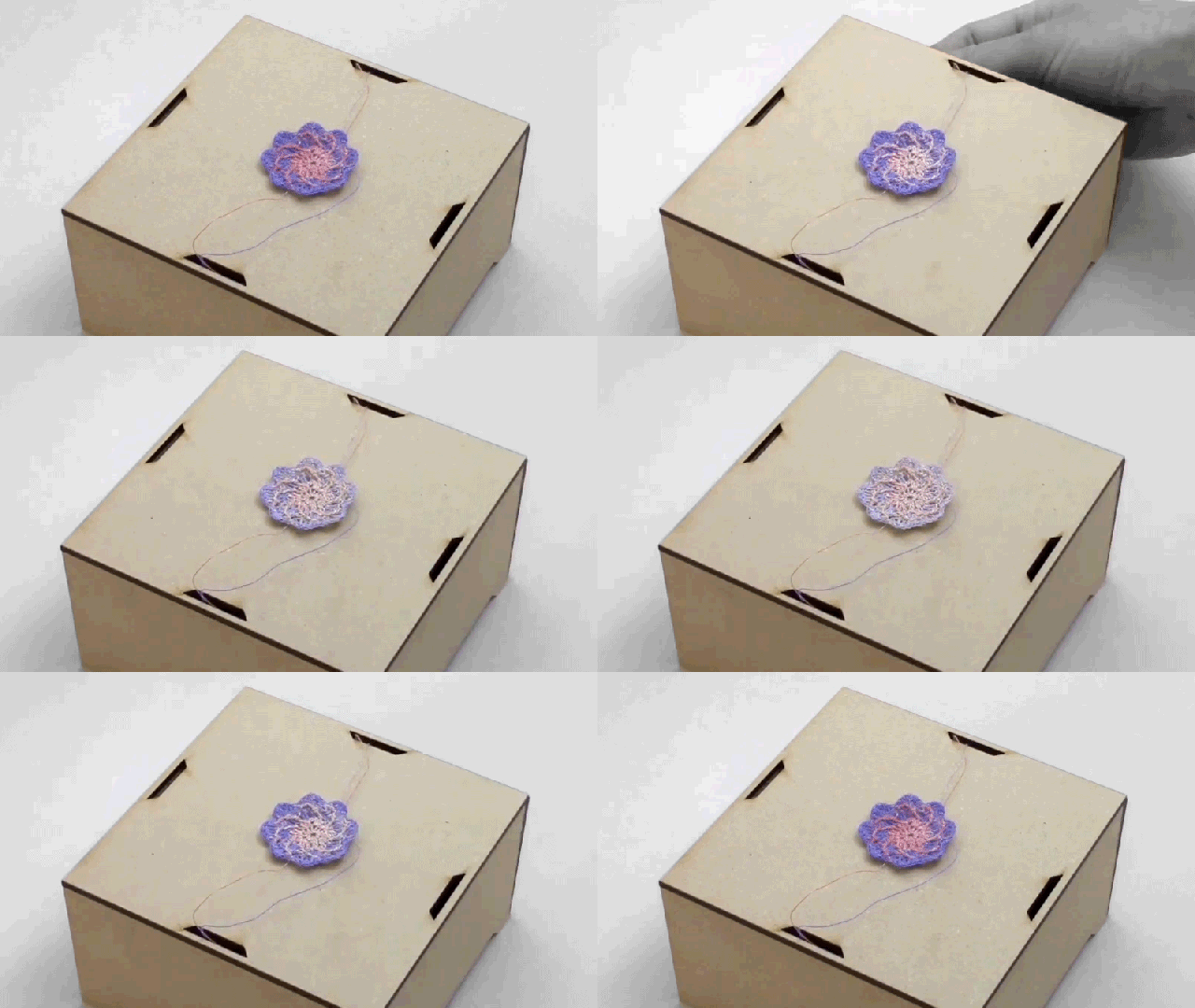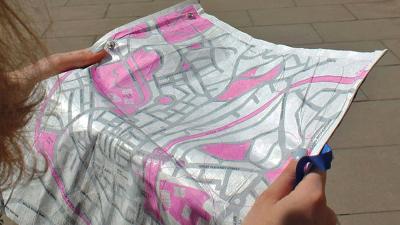
A dress that gradually disappears as you get a magic ball near to it? Yes, please. That’s exactly what Daan Roosegaarde, V2 Lab and Maartje Dijkstra have created, using a flexible plastic material and radio frequency technology. Very pretty too…
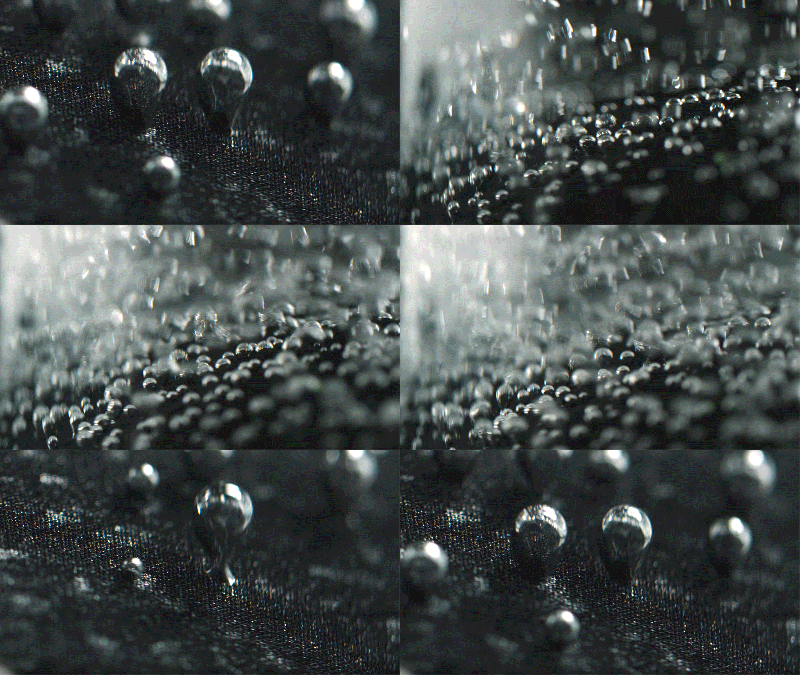
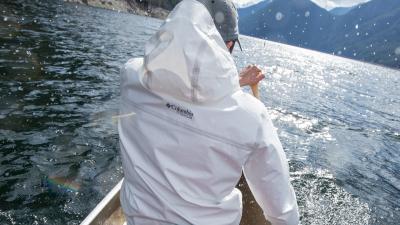
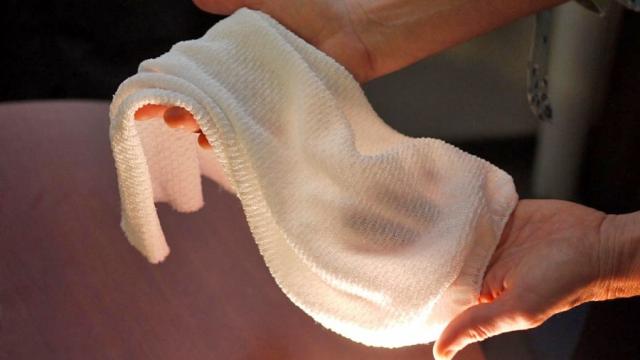
Through the magic of nanotechnology (we use “magic” only ever so figuratively), chemists from the University of Zurich have developed a new fabric that never gets wet, even after being completely submerged in water for two months.
The Gadget: Protective fabric-based sleeves for your iPhone 3G/original iPhone. Unlike a case, you slip your iPhone inside via the top and have to take it back out entirely to use.
A nanotech invention by a US research team offers an intriguing glimpse of the future: slip on some nanowire-embedded clothes, plug your MP3 player or cellphone into them, and as you dance or walk around, your outfit generates enough power to run the gadget. More details on how the fabric works, and some nano-imagery after the jump.
Zetix is a fabric so strong it will resist multiple car bomb blasts without breaking. It absorbs and disperses the energy from explosions thanks to an inner structure so adamantiumtastic it can be used in body armor, window covering, military tents and hurricane defenses—it might even be able to fend off my ex-wife. When not shielding from explosions, it can be used as medical sutures that won’t damage body tissue. All of this is thanks to a property that apparently defies the laws of physics:Zetix is built around the principle of auxetics: objects that actually get fatter the more you stretch them. Though it hurts to think about, as you will discover, it actually makes sense.
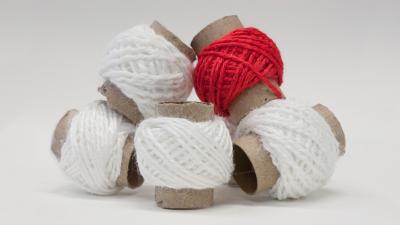
To demonstrate how Zetix works, the best thing is to look how a thread behaves. When you jump from a bridge using a bungee cord, the force of gravity acting over your body weight will stretch it as you go down in free fall. While this happens, the cord threads will stretch getting closer together and making the cord get thinner as it expands through a larger distance.
NEC has developed a wideband antenna prototype that’s made of fabric, allowing it to be attached to or stitched into clothes. This’ll allow people to increase their cell connectivity by wearing gigantic antennas on their backs. Apparently, “one of the difficulties encountered in the past when using conductive fabrics was that soldering was not possible. In the case of this new antenna, power is supplied to a small flexible print substrate by a soldered coaxial cable, so that power supply is possible through capacity coupling with the substrate.” Well, I’m glad they worked all that out. Look for supremely-dorky antenna pants in the not-too-distant future. [Akihabara News]
The situation is confusing enough when havoc strikes, and when radios aren’t working and firefighters don’t know where their colleagues are, it gets a whole lot worse. Learning from the communications problems of 9/11, designers solved those problems with this Smart Suit whose embedded sensors transmit the exact location and vital signs of each firefighter or rescue worker to a central command center. Hey, there are lots of reasons why this tech could be helpful for disaster workers, including those California firefighters risking their lives as you read this.