drugs
-
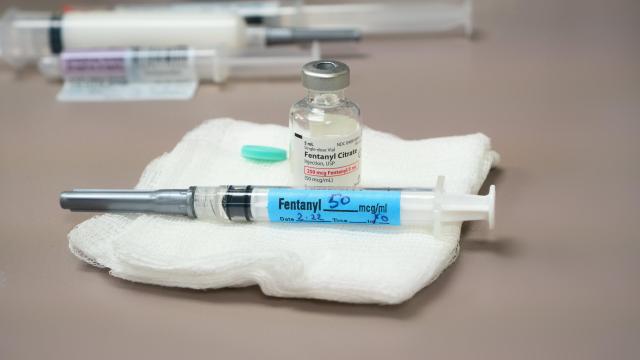
Experimental Vaccine Blocks Fentanyl From Rats’ Brains

The ongoing opioid crisis in the U.S. has shortened life expectancy and caused untold suffering. The synthetic drug fentanyl has been particularly devastating, because it’s so potent compared to other opioids. New research in rats may offer a glimmer of hope, however: Scientists found that an experimental vaccine can prevent the behavioural and physiological effects…

-

A Common Heart Drug May Help People Struggling with Alcohol Use Disorder
A common heart and blood pressure drug could see a second act as a treatment for alcohol use disorder, new government-led research this week suggests. The study has found evidence in both rodents and humans that the medication spironolactone can reduce people’s craving for and consumption of alcohol.


-

Your Dog Might Cry With Happiness When He Sees You, Study Finds
New research from scientists in Japan affirms a common suspicion held by dog owners: that their pets also deeply miss them when they’re away. The researchers found that dogs’ eyes well up with more tears after being reunited with their owners than with familiar non-owners or when the owners stayed at home. This behaviour in…


-
Does Coffee Help You Live Longer? It’s Complicated
Another week, another coffee-is-good-for-you study that’s caught people’s attention. New research found a link between regular coffee consumption and a reduced risk of death. While the findings are the latest to suggest that coffee is perfectly fine to drink, they’re not necessarily strong proof that your daily cup of joe is life-saving.