communication
-
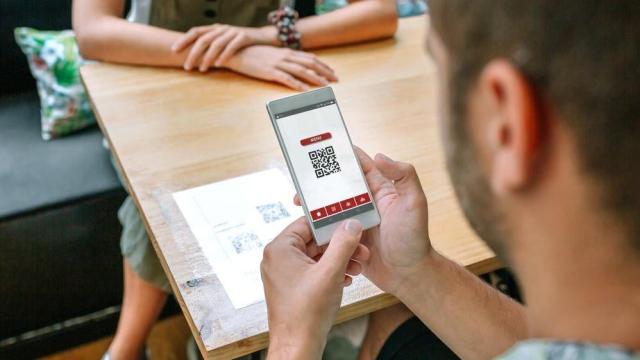
Goodbye QR Menu, Your Shift is Over

The QR code menu which restaurateurs began using during the covid-19 pandemic may soon become a thing of the past with some eateries moving back to the traditional handheld menu. In the early stages of the pandemic, when restaurants first opened back up and began welcoming patrons back to their tables, they introduced tabletop QR…


-

Tesla’s Investor Day Livestream Disclaimer Basically Says Everything Could Be Bullshit
Tesla’s 2023 Investor Day livestream just kicked off this afternoon. It’s a chance for investors, industry followers, the media, and Tesla enthusiasts to get a glimpse at everything the electric car company has planned for 2023 and beyond. But don’t take anything CEO Elon Musk says on-stage seriously — according to the enormous disclaimer posted…


-
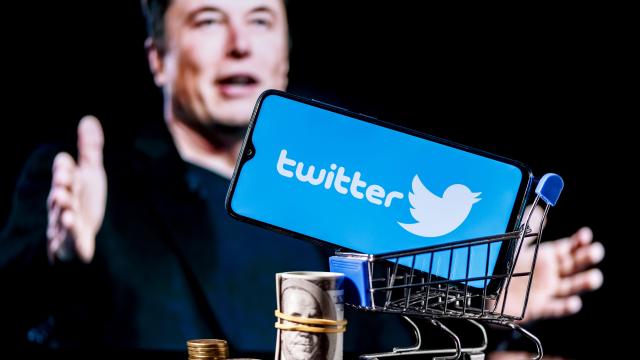
Why Elon’s Twitter Subscriptions Are Missing the Point
Controversy sells. For a long time, there has been no place where this is more true than on social media platforms like Twitter and Facebook. Controversy and conflict keep you clicking, commenting, and generating the data about yourself that is used to sell ads. Every day, it becomes more obvious that the intertwined model of…

-
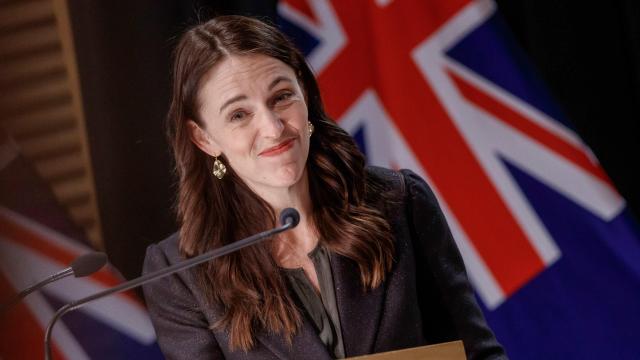
Now New Zealand Plans to Make Facebook and Google Pay News Outlets
New Zealand plans to start mandating that Google and Meta pay local media companies for reposting news content on their platforms.