big bang
-
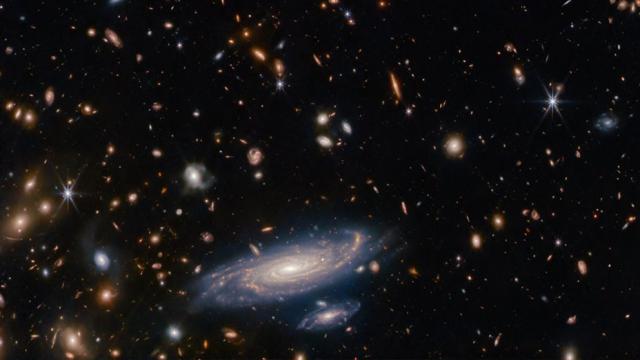
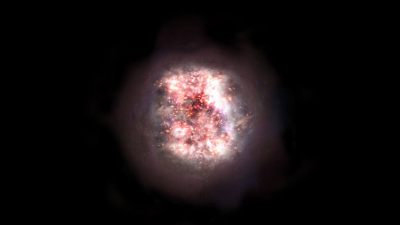
Webb Telescope Data Suggests Ancient Galaxies Were Metal-Poor and Full of Gas

In the beginning, galaxies were lacking in chemical and metal abundances, according to a team of astronomers that recently used a telescope to study the ancient universe. Though the galaxies in the quarter-billion years seemed to follow the rules established by younger, previously observed galaxies regarding star formation rate and stellar mass, they had only…
-
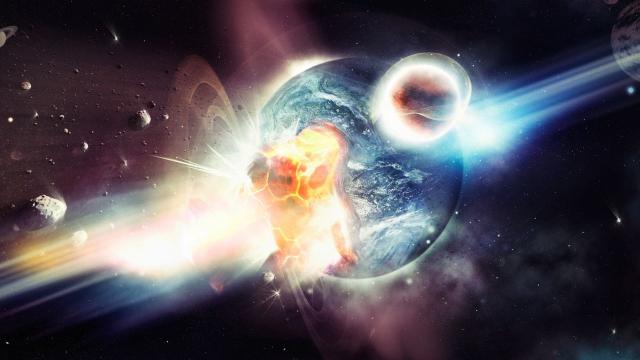
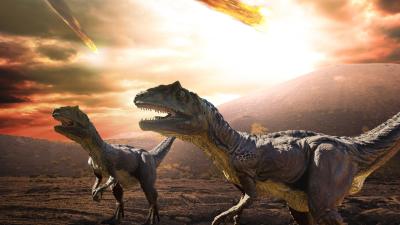
What Would Happen if the World Split in Half?

The very short version of the answer is: it would be the end of the world as we know it. All life on Earth would be brought to an end – so it would be a very bad day! Luckily, events that can tear a planet in half are very, very rare. But, believe it…
-
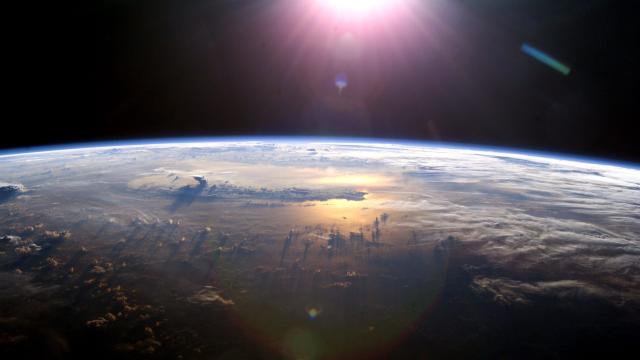
What We Will Never Know
There is a realm the laws of physics forbid us from accessing, below the resolving power of our most powerful microscopes and beyond the reach of our most sensitive telescopes. There’s no telling what might exist there — perhaps entire universes.
-
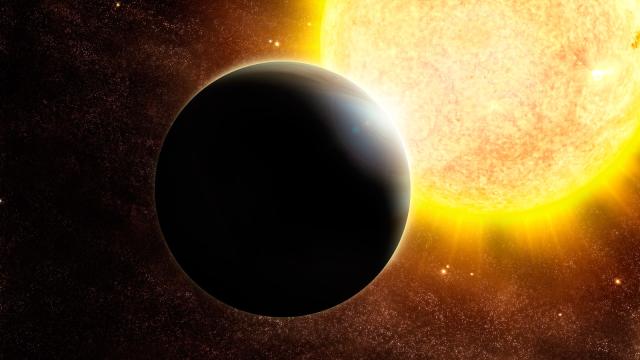
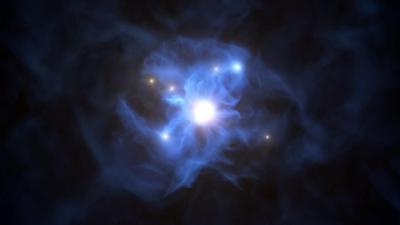
Nobel Prize In Physics For Two Breakthroughs: Evidence For The Big Bang And A Way To Find Exoplanets

Did the universe really begin with a Big Bang? And if so, is there evidence? Are there planets around other stars? Can they support life?