wind
-
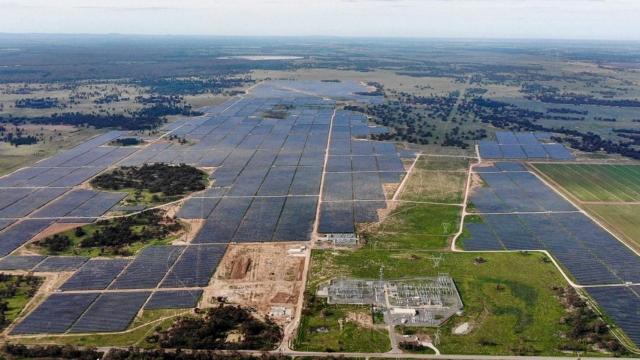
Solar and Wind Farms Look Good on Paper, but Geez They Take up a Lot of Land

Renewables are undoubtably the future, but we need to consider a lot more than we likely are.
-
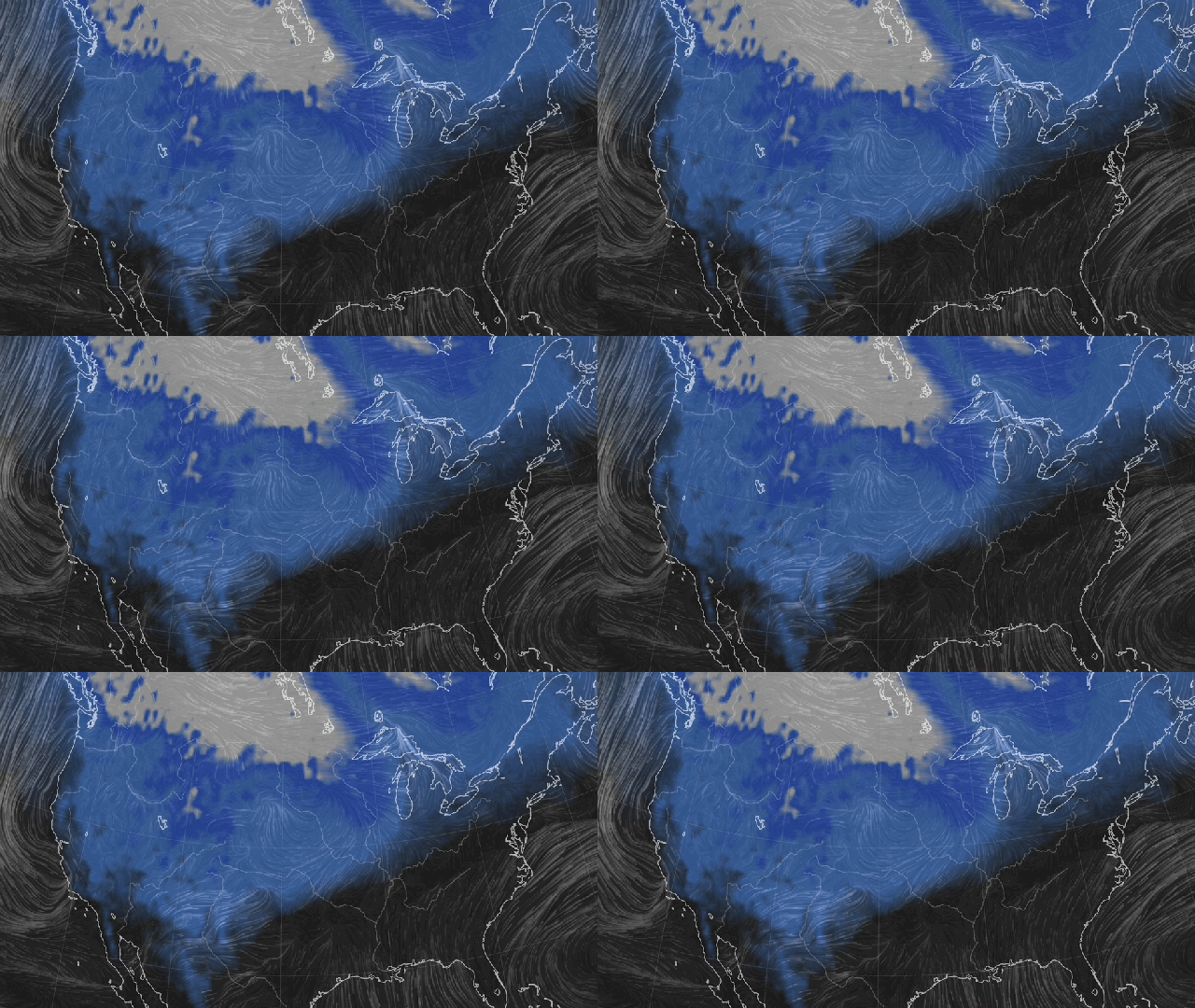
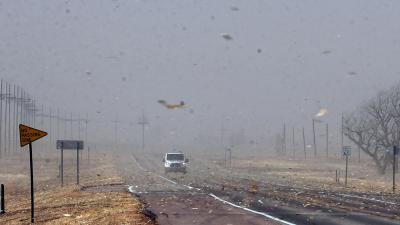
Life-Threatening Cold Grips the Northern Rockies and Midwest

The U.S. is in a race to cram in as much unhinged weather as possible before the year ends. The latest addition to the trophy case: bone-chilling cold in the Northern Rockies and Midwest, where wind chill values could reach minus-50 degrees Fahrenheit (minus-46 degrees Celsius) over the next two days, with the freeze lingering…
-
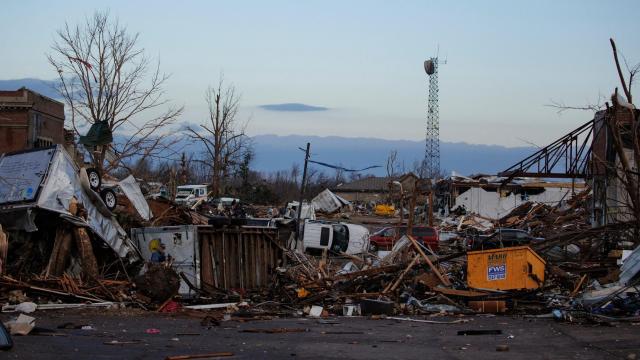
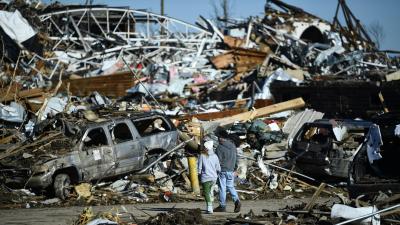
Powerful Tornadoes Leave at Least 50 Dead Across 6 States
The sun has risen on scenes of widespread destruction from Arkansas to Illinois following a series of deadly tornadoes that hit overnight on Friday.

-
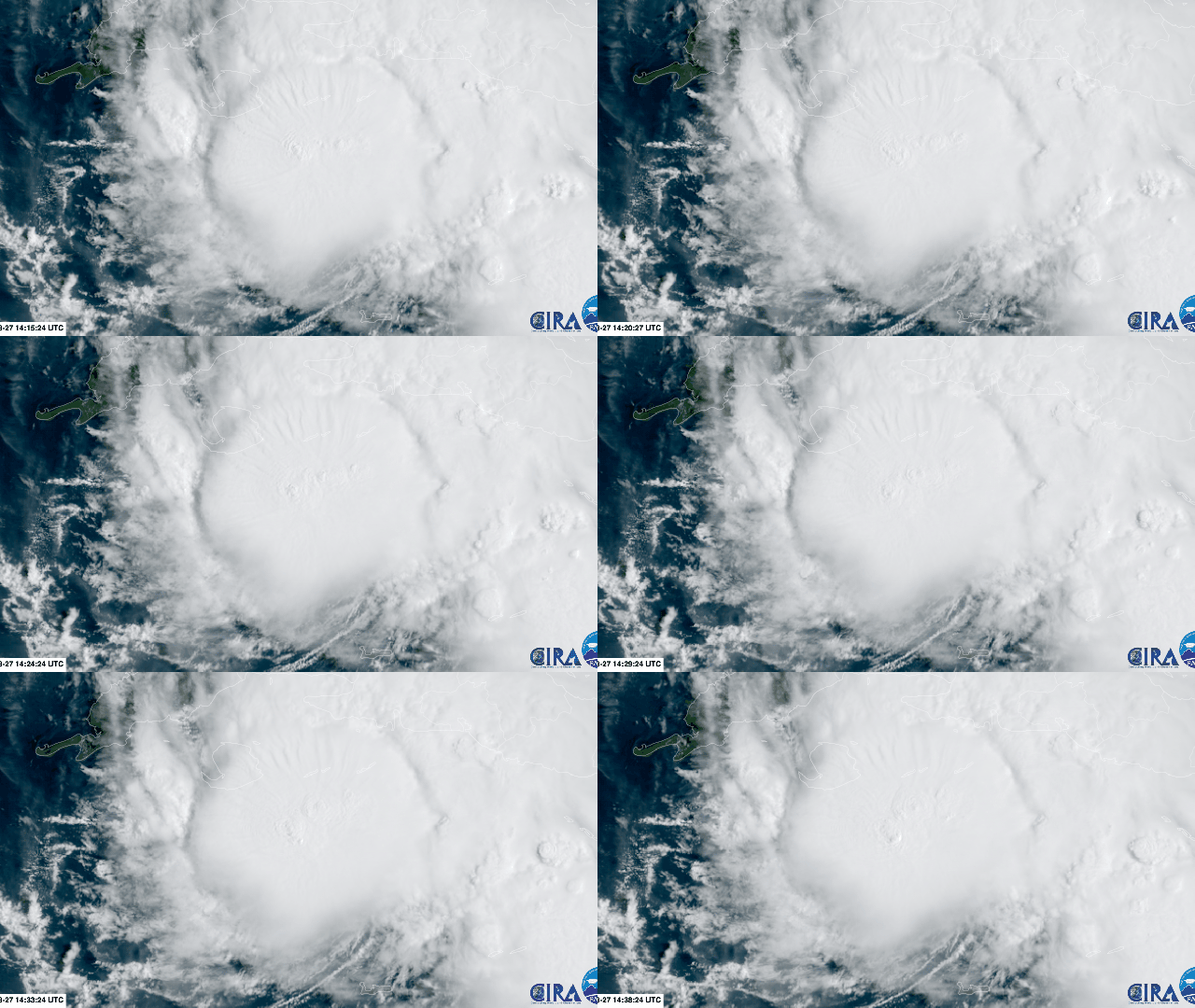
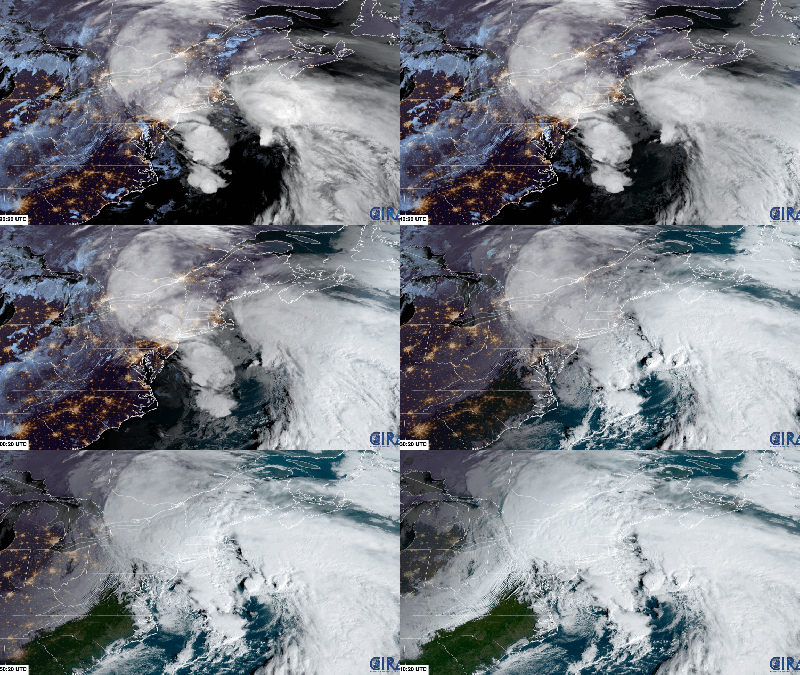
Why Tropical Storm Ida Is Set to Rapidly Intensify Into a Monster Hurricane
Cuba is currently bearing the brunt of Tropical Storm Ida, with heavy rain and gusty winds. But what’s happening there is unfortunately a warmup for what could be an explosive few days for the storm.