tweet
-
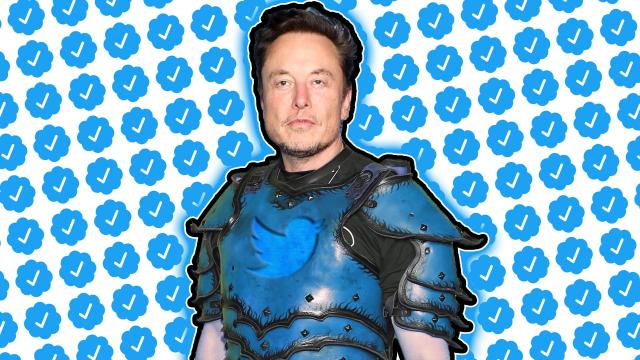
Elon Musk Says Twitter Shadowbans Are the New Law of the Land

Things are really going off the rails at Twitter, as Elon Musk pushes forward in a hostile takeover that seems liable to ensure he’s eventually the only one left at the social media platform. In the latest set of deeply confusing declarations from the multi-CEO and “Chief Twit,” Musk reinstated Twitter accounts for the right-wing…

-
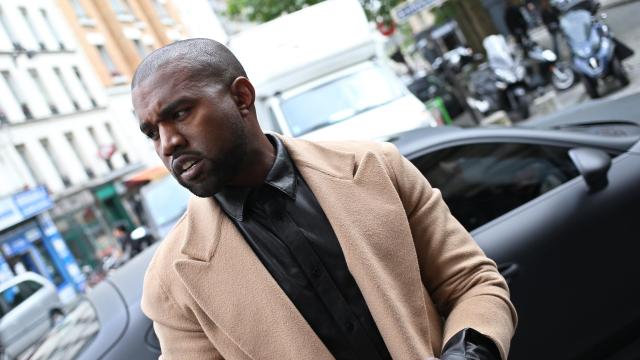
Kanye West Locked Out of Twitter for Antisemitic Tweets One Day After Being Restricted From Instagram
Kanye West, legally known as “Ye,” is rapidly running out of social media platforms to post his antisemitic content. On Sunday, Twitter locked Ye’s account after he posted an antisemitic tweet saying he was going “DEFCON 3” on Jewish people. In the same tweet, Ye added he “can’t be antisemitic because black people are actually…
-
Twitter’s New ‘Status’ Feature Is Here to Make Tweeting Even More Embarrassing
Have you ever thought, “I’m about to tweet, but that’s not enough self-expression. I need to tell the internet how I really feel?” If so, you’re in luck — maybe. As long as your true inner feelings align with the options in Twitter’s new status feature, which is currently in testing. The concept was hinted…
-
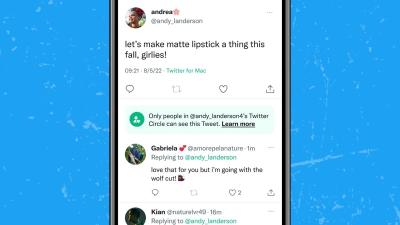
Twitter Introduces ‘Circle’, for Tweets You Don’t Want in Everyone’s Timeline
‘Circle’ allows users to make select, individual tweets ‘private’, as opposed to a whole account.