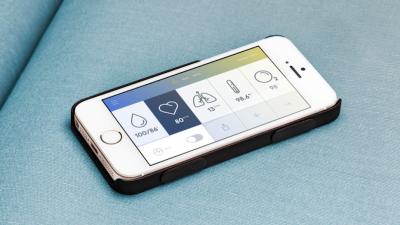
Leave it to a NASA scientist to create the first Star Trek Tricorder using a stamp-sized sensor chip, an iPhone and some spiffy programming. What does it do? It can detect killer gases in the air. More »
J.J Abrams’ Star Trek took the original characters in a new, wonderful direction, but that doesn’t mean people still can’t enjoy the boxy look of the original series with this sharp-looking tricorder replica.
A lot can be learned from simply counting the cells found in a sample of blood or water; the rub is that it requires either a lengthy and complex manual process with an expensive microscope or a quicker process with an even more expensive flow cytometer. Now, UCLA researchers have devised a compact system that scans samples with a cheap CCD digicam sensor to quickly spot and count 100,000 different kinds of cells in a sample. Please note my resistance here to the general tendency to call any type of advanced portable medical scanner a real-life tricorder, but that’s kind of what it’s like.
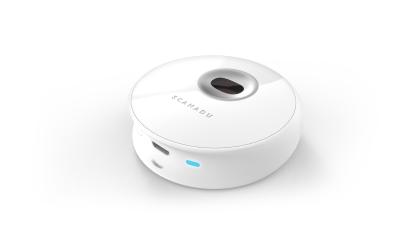
Since we learned yesterday that everyone’s mobile phone will be a nuclear weapon detector in the future, it comes as no surprise today that scientists at the University of California have created what is, in effect, a Tricorder. They’re calling it a much more modest name (Universal Detector), but the facts of the matter are clear: You’ll be able to point this thing at other things and figure out what they’re made of.