stem cells
-

Brain Injection Stopped Progression of Multiple Sclerosis in Trial of 15 People

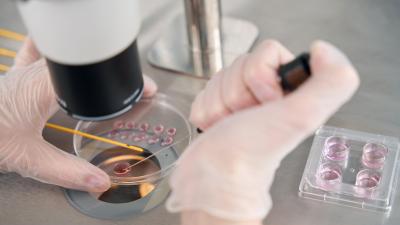
Research published this week describes a promising start to using stem cell therapy for multiple sclerosis. In a small Phase I trial, patients who had stem cells directly injected into their brain appeared to tolerate it well and experienced no serious adverse effects. The treatment may have also stopped or slowed the progression of their…

-

Future Eye Disorders Could Be Treated With Lab-Grown Retinal Cells

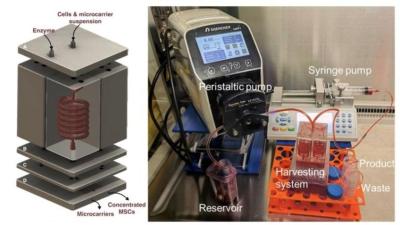
Researchers have discovered that lab-grown retinal eye cells can ‘reach out and connect with neighbours’, which could treat eye degeneration.
-
Google Reverses Ban on Ads for All Stem Cell Therapies, Will Allow FDA-Approved Ones
Google announced Monday it will allow ads for stem cell treatments approved by the Food and Drug Administration to appear in search results starting in July. The tech giant previously banned any ads for stem cell therapies, FDA-approved or otherwise.
-
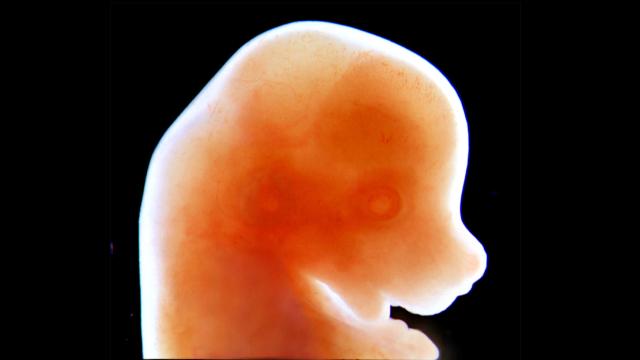
Mouse Embryos Grow Successfully in Beakers, a Step Toward an Artificial Womb
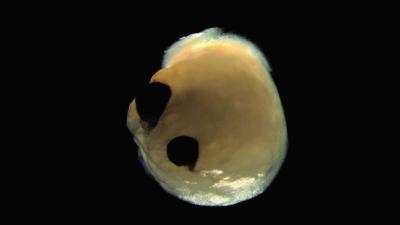
Quivering with life, the developing mice moved ever-so-slightly in their vials. Just a few days since they were fertilised, the rodent embryos were minuscule — smaller than an Aspirin tablet — but their existence a is monumental feat: they developed in an artificial uterus, a first in early mammalian science and a big step in…