snapdragon
-

Qualcomm Just Released a Smartphone for Some Reason

Qualcomm makes the chips found in practically every Android phone, but today the company is stepping away from its usual role. With some help from Asus, Qualcomm is announcing the first phone of its own.


-
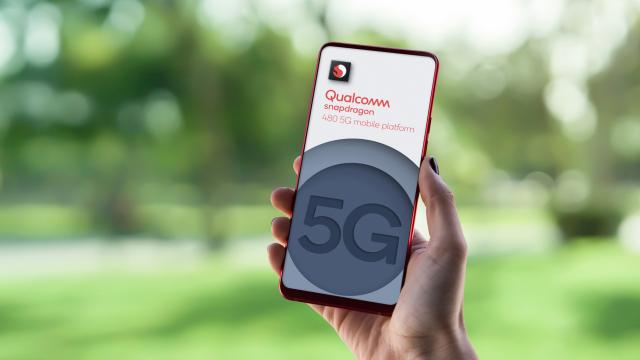
Cheaper 5G Phones Are on the Way Thanks to Qualcomm’s New Snapdragon 480 CPU

One of the biggest issues with 5G is the impact it has on phone prices, often increasing the cost of current handsets by around $US100 ($130) or more compared to standard 4G phones. But with the introduction of its new Snapdragon 480 chip, Qualcomm is looking to make 5G phones much more affordable.


-
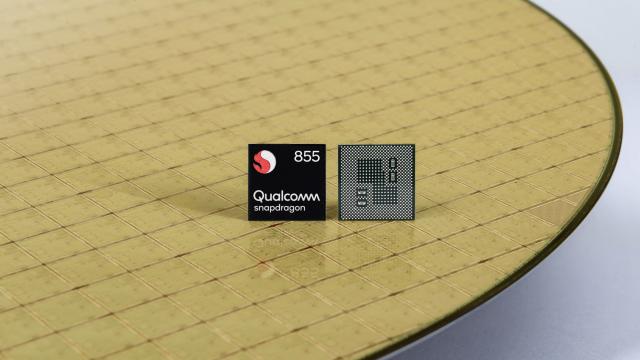
Qualcomm’s Snapdragon 855 Announced, Here’s What That Means For Next Year’s Top Android Phones

Yesterday, Qualcomm announced the name of its next big mobile chip—the Snapdragon 855 (Surprise!)—but didn’t say much about what it could do until now. And while innovations in mobile processors can often seem opaque and difficult to follow, advances in tech between generations are the kind of things that give phones the biggest increases in…

-

Qualcomm’s Latest Chip Provides Gigabit 4G Speeds
Hold on to your data contracts: Qualcomm’s latest modem chip will enable mobile devices to achieve LTE download speeds of up to 1Gbps. Now you just need to find a network that can support it.