rube goldberg machines
-
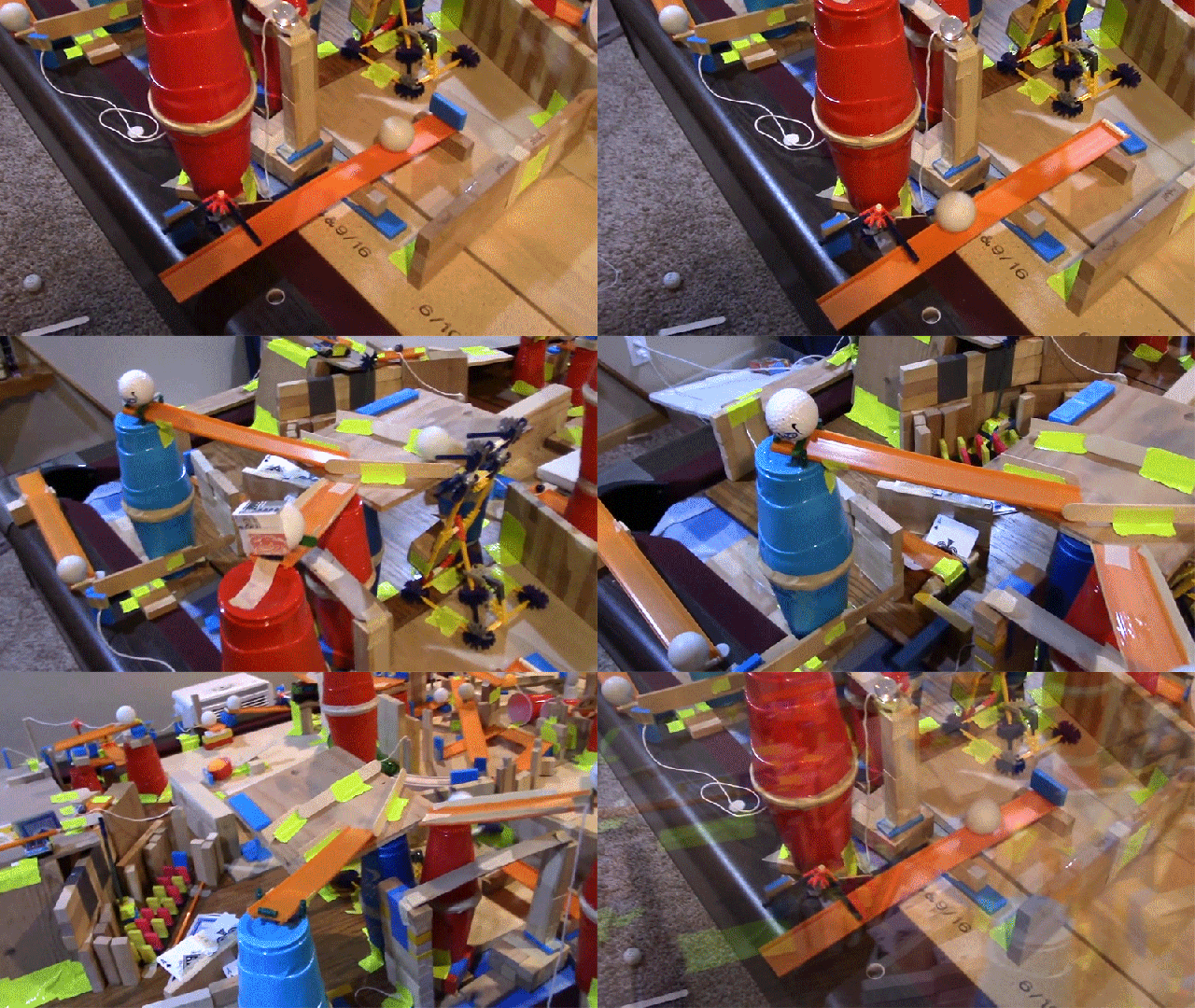
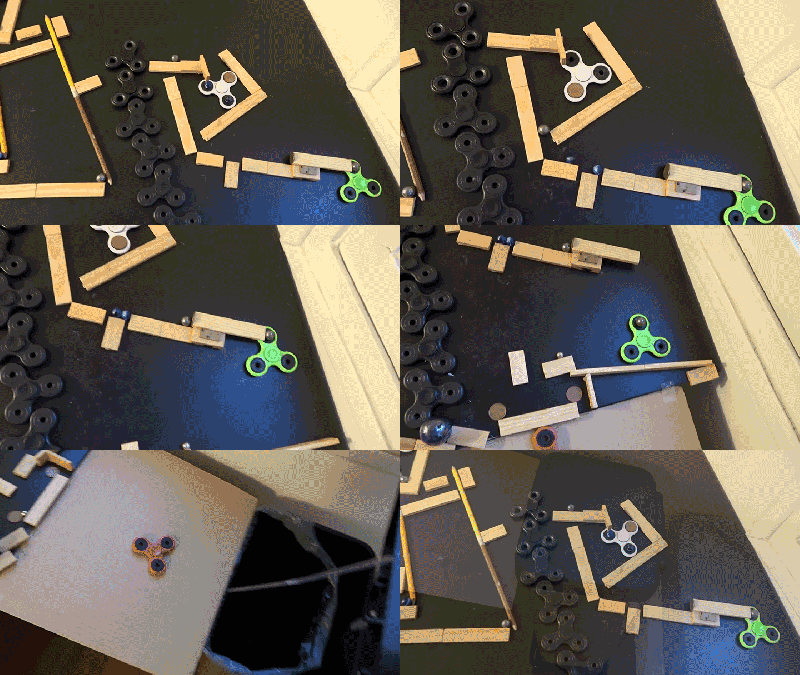
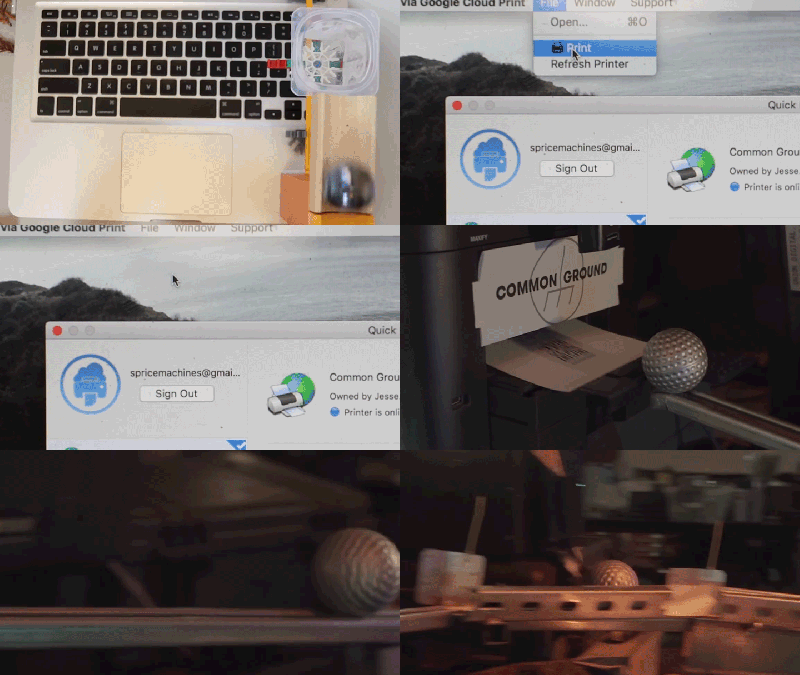
It Takes Five Obscenely Complicated Minutes For This Machine To Dispense A Single Piece Of Tape

When it comes to Rube Goldberg machines, if you have to ask why, you’ll probably never understand the joy of building impossibly complex machines to accomplish the simplest of tasks. Need a piece of tape? This machine takes almost five minutes to do nothing but dispense a sticky strip.

-
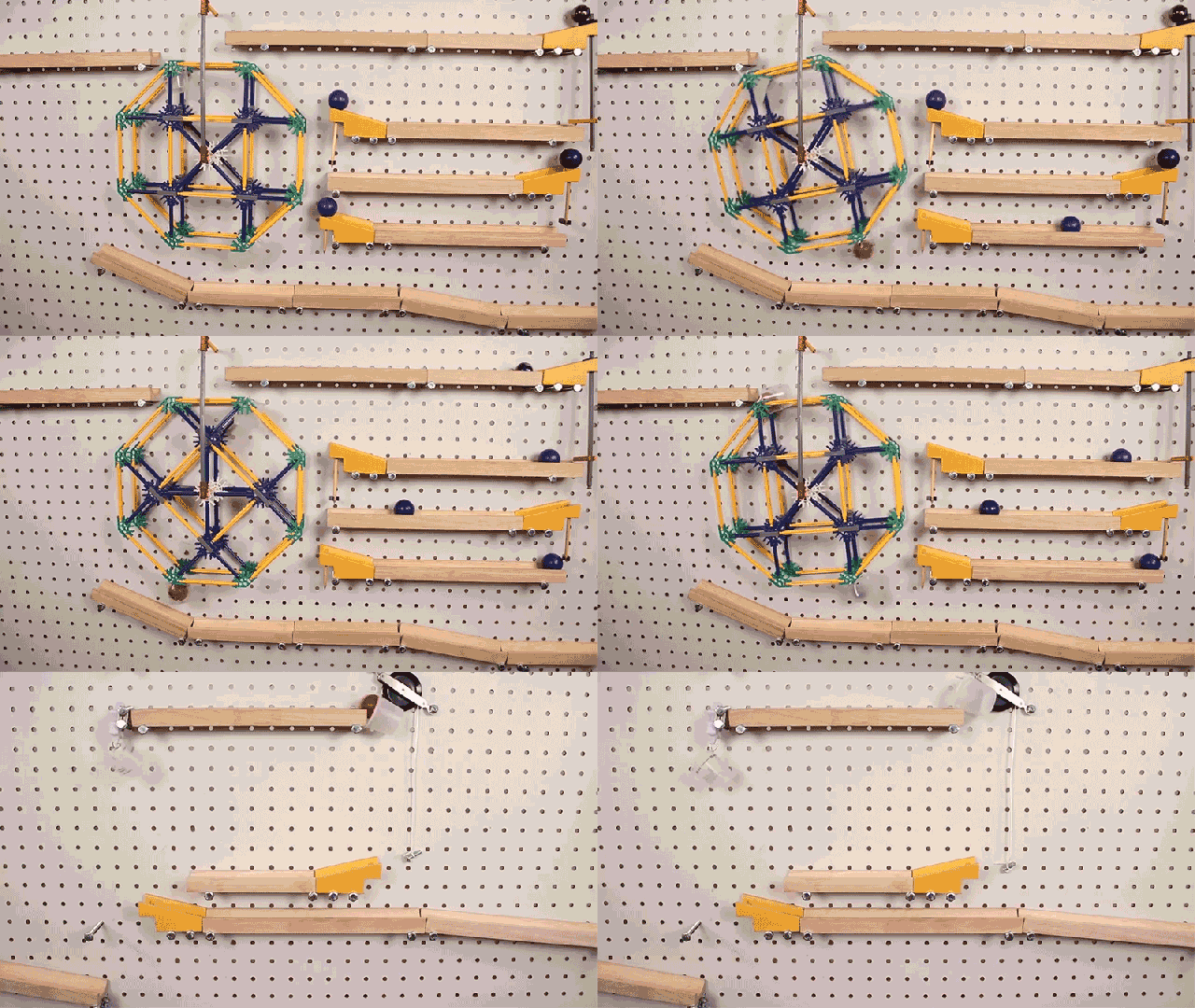
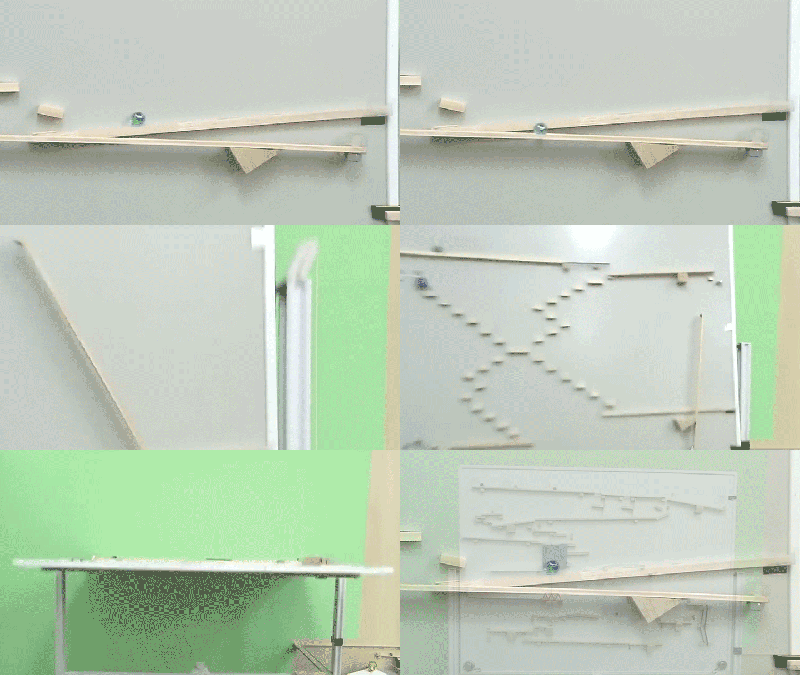
Zone Out With This Hypnotising Wall-Mounted Rube Goldberg Machine
At my fingertips lies the entire internet, filled with a near-infinite number of digital distractions. So why do I keep watching Steve Price’s latest Rube Goldberg machine featuring the adventures of a red ball encountering countless complex contraptions all powered by nothing but gravity?
-
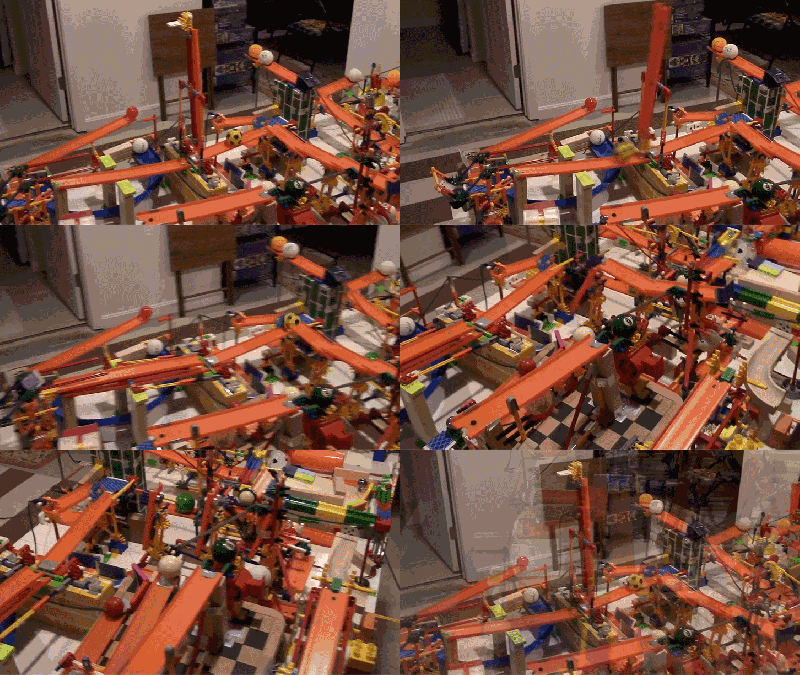
This Rube Goldberg Machine Is The Best Action Movie I’ve Seen In Years
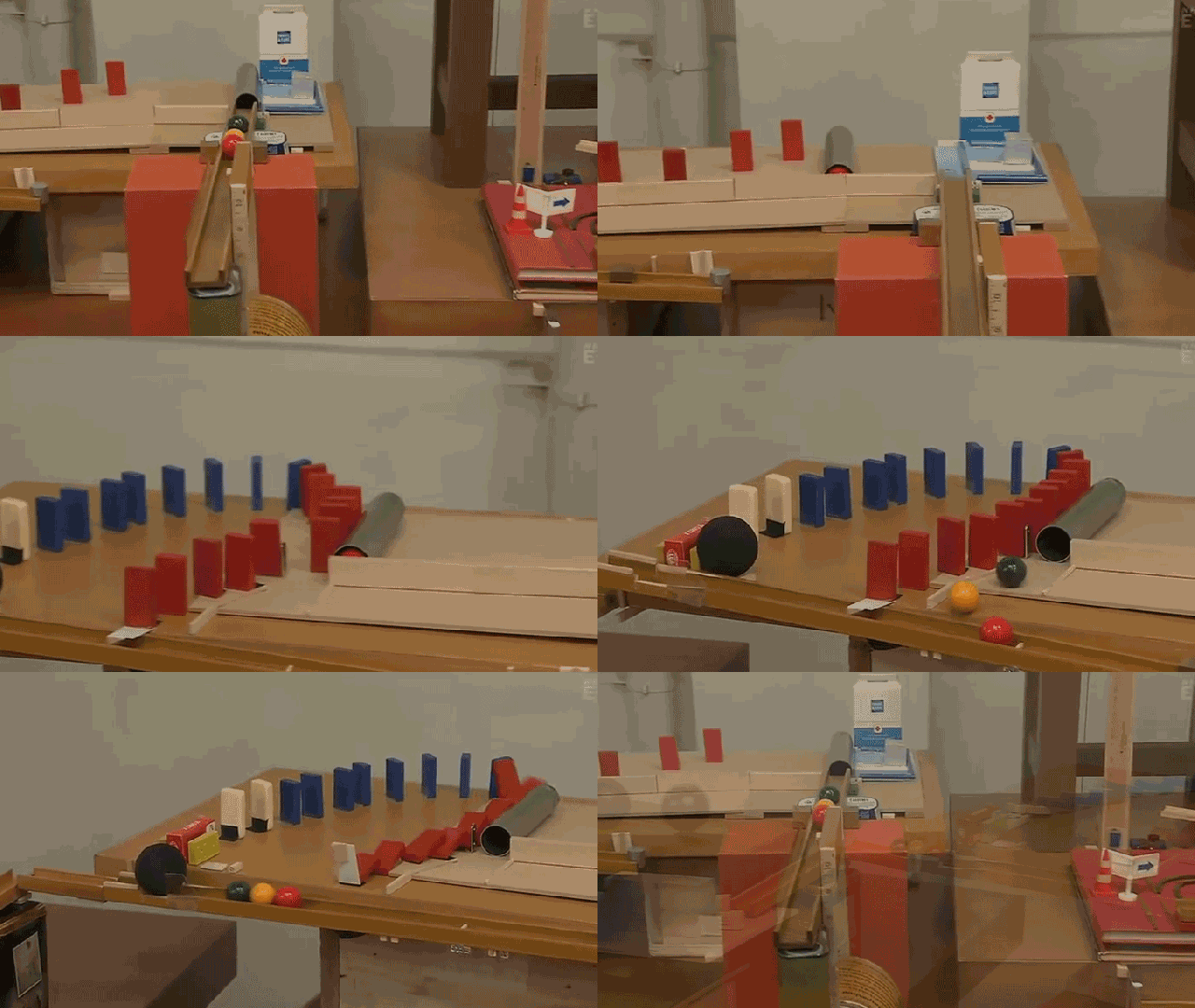
Video: Most Rube Goldberg machines are designed to complicate a very simple task, but a Japanese TV show called Pitagora Suitchi — which translates to Pythagoras Switch — created an endlessly complex contraption to tell the story of two coloured balls who have to rescue their trapped brother.

-
The HTML Rube Goldberg Machine Is A Vortex You Can’t Escape

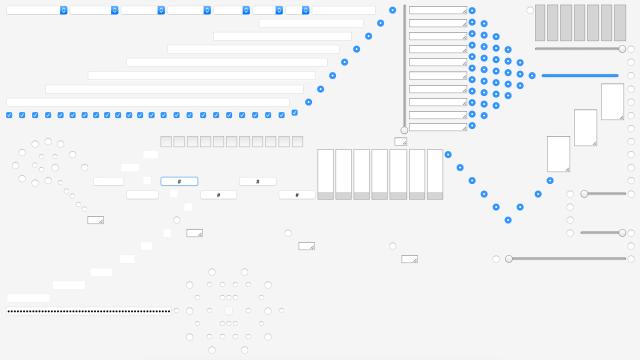
Every web developer take note: Sebastian Ly Serena has come up with a brilliant way to make your website more entertaining and captivating — without clogging it up with boring content. Just turn it into a HTML-based Rube Goldberg machine and watch the clicks roll in.