raspberry pi
-
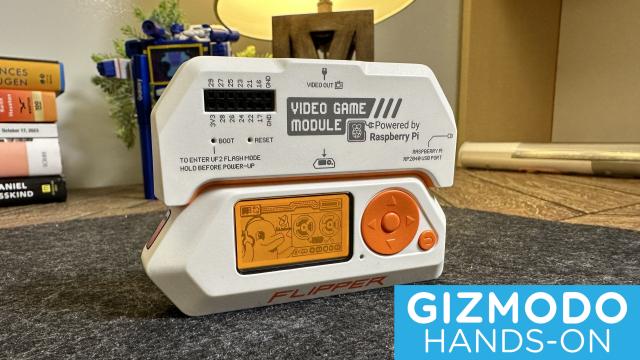
Flipper Zero Video Game Module Hands-on: Less Hackers’ Paradise, More Cool Tool

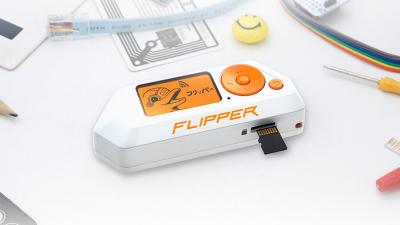
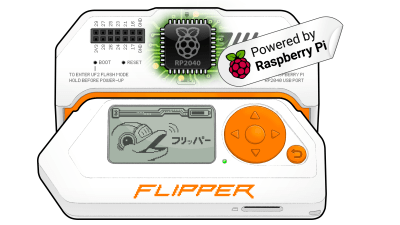
If there’s one thing to say about the $US169 Flipper Zero, it’s that it’s really damn cute. When the Flipper is idling, the cyber dolphin that appears in all the apps and product materials as the device’s mascot can be found lounging around, making sly references to older movies. Sometimes, they record a dancing praying…
-
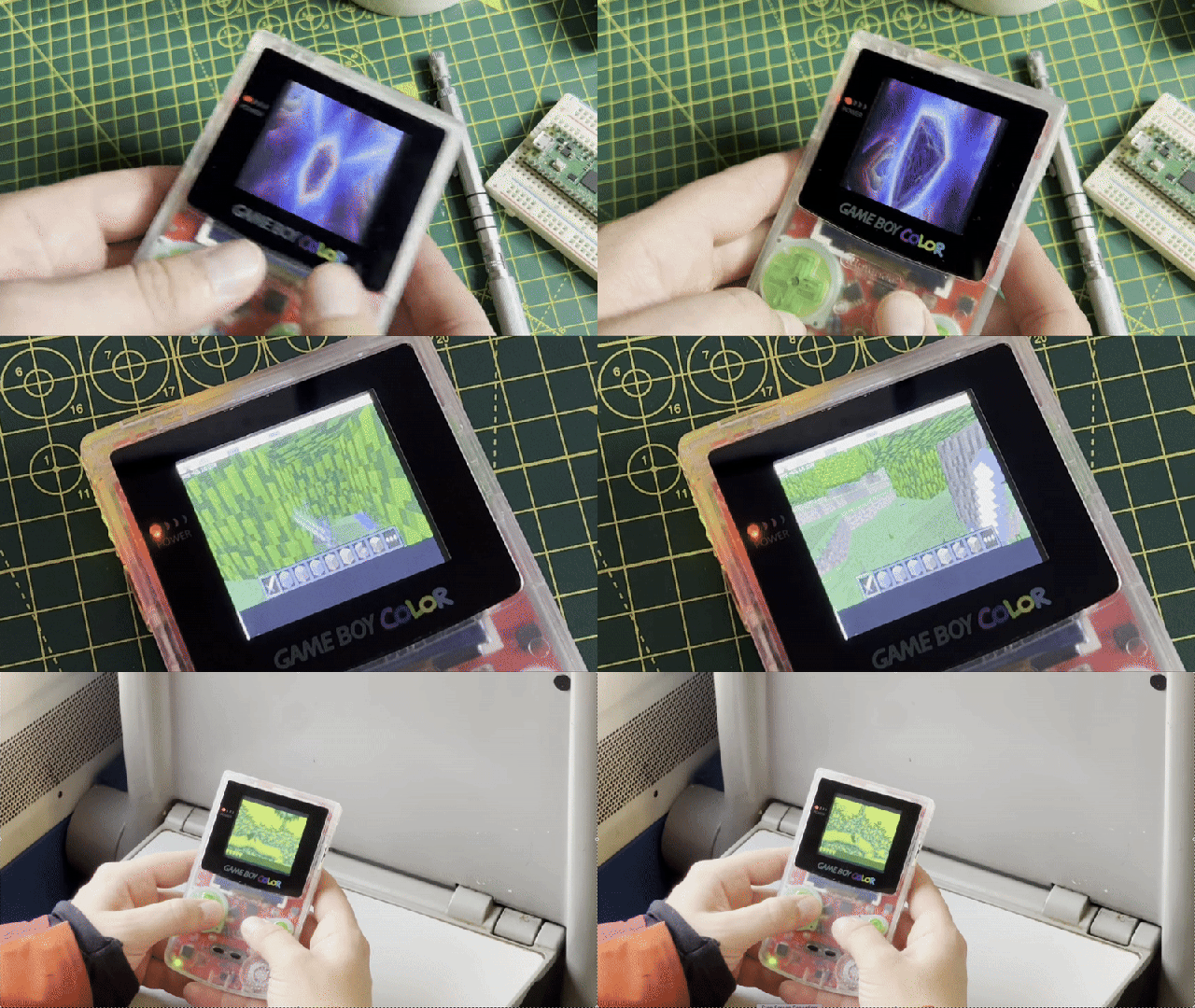
This DIY Kit Could Turn Your Game Boy Into a Mini Gaming PC
Those who remember playing their Game Boys by the staccato glow of passing streetlights while sitting in the backseat of their parent’s cars sure have a bevy of retro handheld revivals to choose from. Though we’ve had plenty of strong contenders, nothing really beats the original Game Boy Color design with its perfectly pocket-shaped shell.…
-
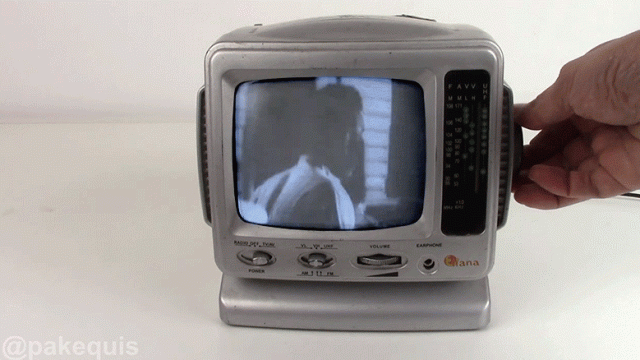
A Raspberry Pi Recreates the Horrors of Retro Broadcast TV, but With Modern Content
Before you complain about there being nothing to watch on Netflix, check out Rodrigo Feliciano’s potent reminder of just how awful watching broadcast TV once was. Using a Raspberry Pi, this hacked black-and-white set simulates the classic TV experience using modern content.

-
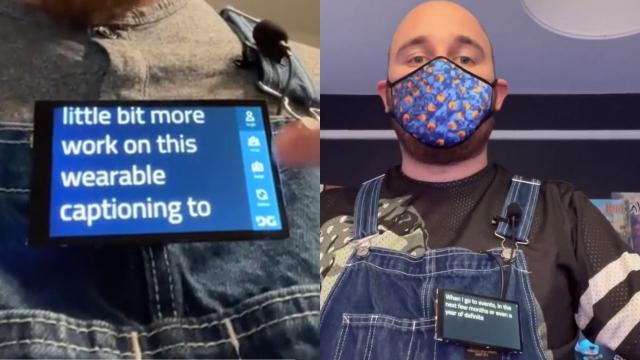
Wearable Captioning Device Brings Subtitles to the Real World

This wearable captioning device built by Twitter user Kevin Lewis is a great idea for understanding people in person.