radiation
-
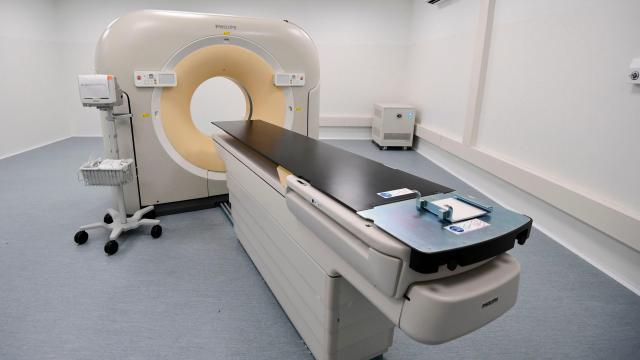
Three Alzheimer’s Patients Were Able to Communicate Again After Experimental Radiation Treatment

A small new study found remarkable improvements in communication and behaviour in three patients with severe Alzheimer’s disease after they received a low-dose radiation treatment. More research will have to be done to confirm these results and to test whether similar benefits could be achieved in people with milder dementia.



-

Obviously, Those Radiation ‘Protection’ Stickers Don’t Work, Researchers Find

Of all the grifts we came across in 2020, one of the most bizarre was SmartDOTS, a so-called “anti-radiation” device that promised to neutralise the electric and magnetic fields transmitted by devices like phones and laptops. Popping one of these round stickers onto these devices, the company promised, would leave you with a better night’s…


-
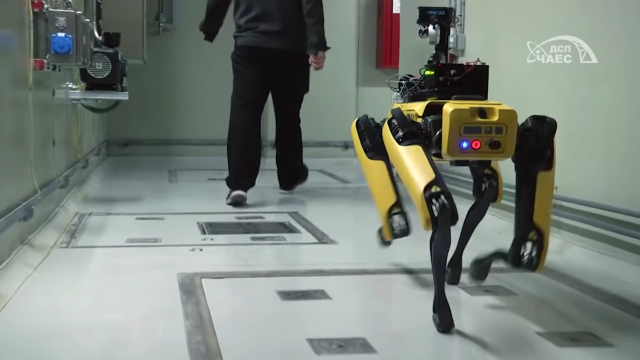
Boston Dynamics’ Robot Dog is Now Sniffing Out Radiation Levels in Chernobyl

Spot is a very good boy, with a very important job.



-
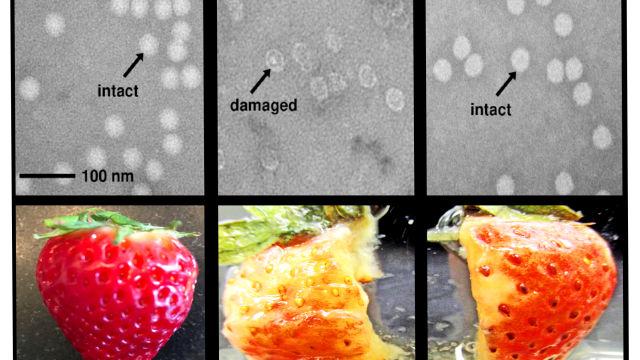
Bacteria Found in Nuclear Reactors Could Be the Secret to Faster, Cheaper Vaccines
The extremophile bacterium Deinococcus radiodurans was first discovered in 1956 at Oregon State University, where it was busy ruining a gamma ray experiment designed to sterilise a tin of ground meat. The “sterilised” meat spoiled, thanks to D. radiodurans and its preternatural durability in the face of radiation: The hearty microbe can withstand somewhere up…