processors
-
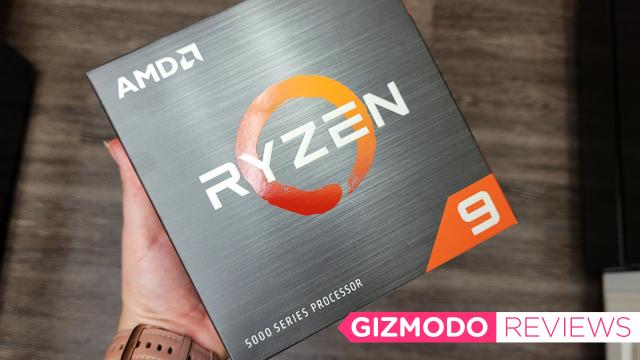
AMD Ryzen 9 5950X Review: Meet the New Best Desktop Processor

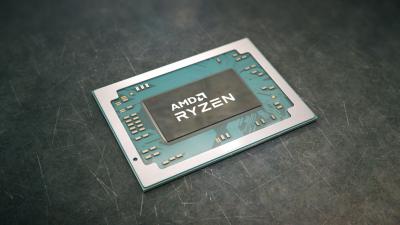
Since introducing its Ryzen series of desktop processors into the PC market, AMD has consistently increased core counts and core clocks, shrunk its transistor size to 7nm, and modified its architecture to be more efficient all on the same motherboard socket. The scaling AMD achieved between its Zen and Zen 2 architecture generation was impressive…
-
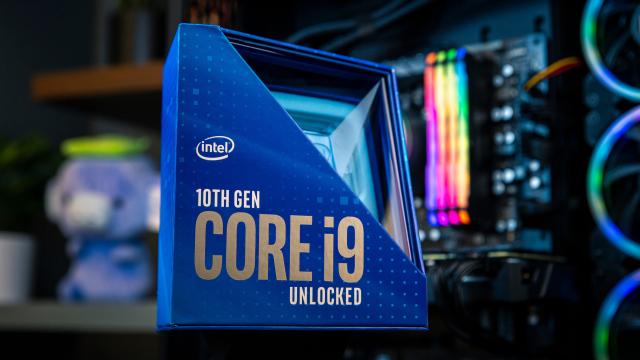
Intel’s 11th-Gen Desktop Processors Are Coming Early Next Year and They will Support PCIe 4.0
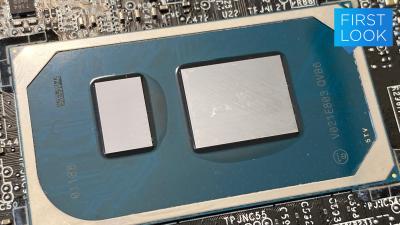
Intel announced this morning that its 11th-gen desktop processors, code-named Rocket Lake, will release sometime in the first quarter of 2021. But unlike the 10th generation, this generation will actually provide support for PCIe 4.0. Not much more information was provided beyond that, although Intel did say it would reveal more in the coming months.
-
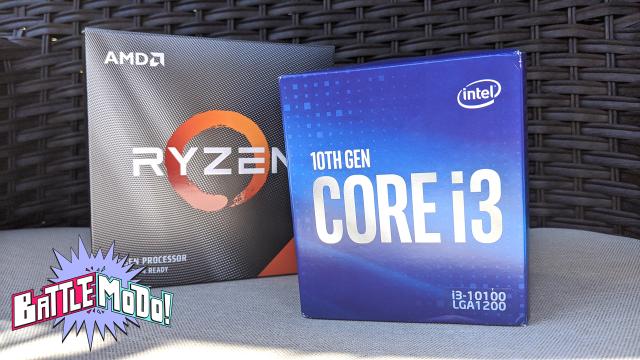
This Is the Best Budget CPU

There was a time when compromising on hardware for your DIY PC build meant seriously compromising on performance. But with AMD able to shrink down its transistor size to 7nm on its Zen 2 architecture, and Intel able to squeeze more and more out of its 14nm process for several generations, even the most budget…

-
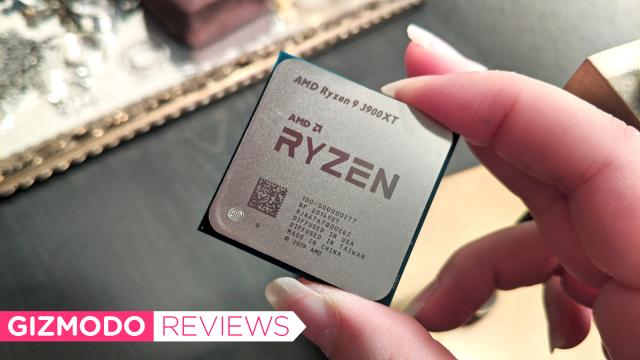
AMD’s Newest Processors Are So Good, But So Confusing
If the consumer desktop processor market wasn’t already confusing enough, AMD’s 3000-series Ryzen lineup just grew by another three chips, bringing the total number to 13. Did AMD need refreshed versions of the Ryzen 9 3900X, Ryzen 7 3800X, and Ryzen 5 3600X processors it released last year? Not really, especially considering the only difference…