paleontology
-
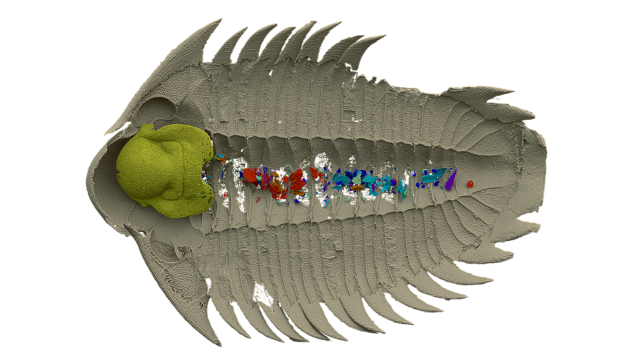
Paleontologists Find Trilobite’s Last Meal in 465-Million-Year-Old Fossilised Stomach

Here’s something to chew on: a fossilized trilobite from the Ordovician Period, which is so well preserved that a team of paleontologists was able to identify its last meal, now mineralized in the creature’s fossil stomach. The discovery is the first direct evidence of the trilobite diet, taken straight from the animal’s belly. Using synchrotron…
-

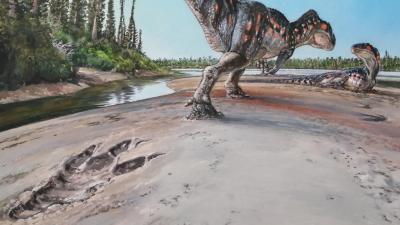
800-Kilometre-Long Power Line Hits a Roadblock: Ice Age Fossils
A proposal to build a nearly 805 km-long stretch of transmission line in Nevada has been further delayed due to the discovery of possible fossil deposits in its path.

-
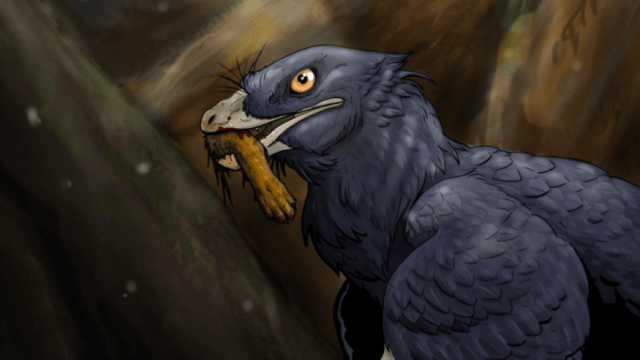
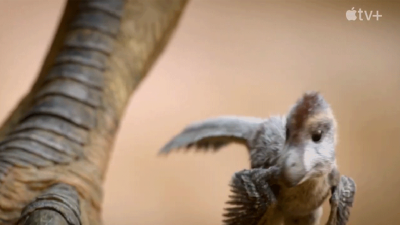
Scientists Find a Mammal’s Foot Inside a Dinosaur, a Fossil First
Paleontologists taking a second look at a species of small, four-winged dinosaur have found a fossilized mammalian foot in the predator’s stomach.
-
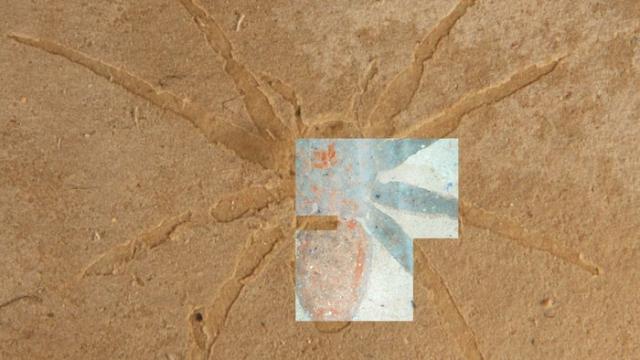
Researchers Found Glowing Spider Fossils in the South of France
A team of researchers studying 22.5-million-year-old spider fossils from Aix-en-Provence were taken aback when the petrified pests glowed under a fluorescent microscope. The fluorescence was likely due to the circumstances of the fossilisation, the group said.