moore\’s law
-

MIT Researchers Build Functional Carbon Nanotube Microprocessor

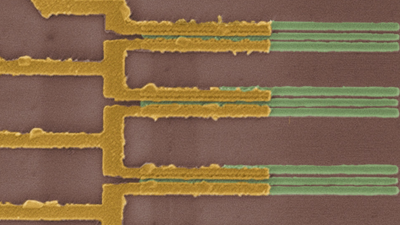
Scientists at MIT built a 16-bit microprocessor out of carbon nanotubes and even ran a program on it, a new paper reports.

-
Intel’s 2016 Chip Line-Up Will Put Moore’s Law On Hold

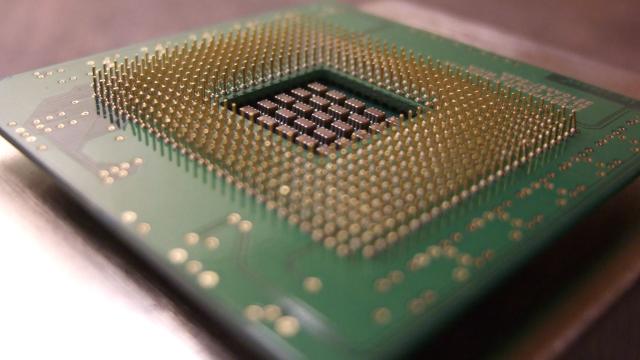
Moore’s Law states that the number of transistors on an integrated circuit doubles every two years — a phenomenon that Intel has been upholding for decades. But with Intel’s announcement of its 2016 silicon, the law stutters.


-

IBM’s New Transistors Only Need A Microburst Of Power

The capabilities of new microprocessors are typically expressed around Moore’s Law, but it’s assumed that at some point we’ll pass its threshold in relation to what we can do with silicon. New research from IBM suggests that one of the most critical issues — heat produced by increasing transistor density — may be about to…
-
UNSW Scientists Develop Single Atom Transistor
Conventional wisdom said that we had to reach the limits of Moore’s law sooner or later. Well, you can throw out a hearty “bah! humbug!” to conventional wisdom, as scientists at UNSW have created a working transistor using a single phosphorous atom that might blow right past Moore’s law.