medicine
-
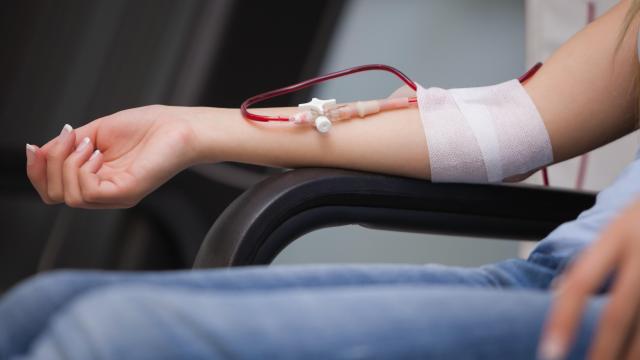
Donated Blood Is Safe No Matter a Person’s Sex, Large Trial Finds

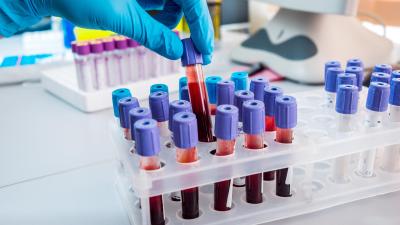
A large new randomised clinical trial should put people who are ever in need of a blood transfusion more at ease. Scientists in Canada have found that the sex of a blood donor had no significant effect on the recipient’s chances of survival. Several past studies had suggested a possible risk, but this appears to…

-
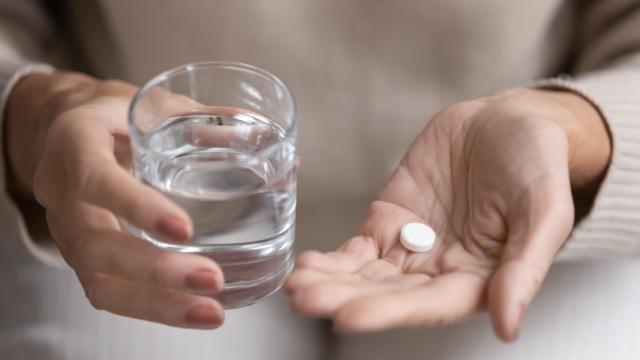
Scientists Just Learned Something New About How Aspirin Works
We still have more to learn about one of the world’s oldest drugs: aspirin. In research out this week, researchers say they’ve uncovered more about how the drug reduces inflammation. The findings might pave the way toward creating similar but safer treatments for inflammation and possibly even cancer, according to the team.
-

A Common Dry-Cleaning Chemical Might Be Causing Parkinson’s, Scientists Say
In a paper out this week, scientists argue that a common industrial chemical is contributing to Parkinson’s disease. The chemical is called trichloroethylene, or TCE. And while some states have recently banned its use, TCE remains widely present throughout the U.S.


-
Washington Woman to Be Arrested After Refusing Tuberculosis Treatment
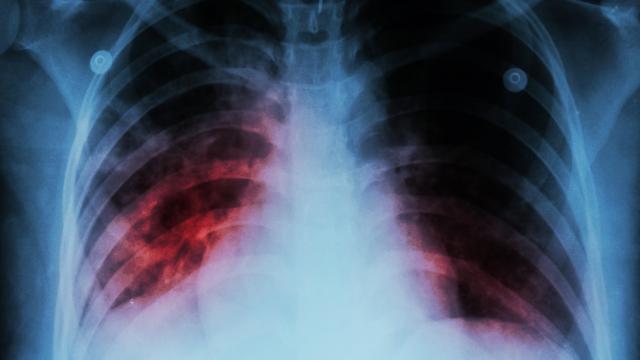
A Washington woman with tuberculosis who has refused treatment for over a year is set to be arrested as a result. According to the Tacoma-Pierce County Health Department, the woman had repeatedly disobeyed court orders to stay isolated until she completed treatment. A local judge has now issued a warrant for her arrest this Friday,…