maglev
-
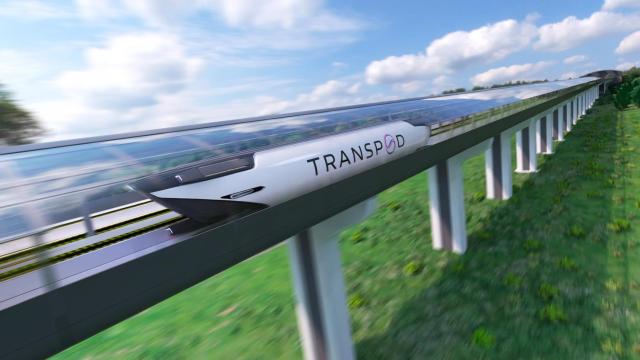
Canada Wants to Build a Fully Electric Tube Train That Travels at 1,000 KM Per Hour

A company in Canada is planning to build a network of tube trains that could make high speed rail look downright pokey, and even outrun planes. Canadian company TransPod recently announced the FluxJet, a “plane-train hybrid” that the company claims will travel at up to 1,000 kilometres per hour, or roughly 999 km per hour,…


-

6 Ways That Magnets Are About To Change Our Lives

Magnets. You already know what they are and everything about them. Or do you? Magnets are crucial to many more emerging technologies than you might expect. The tried-and-true magnet is about to change everything — from how we drive and treat cancer to how we play sports.


-
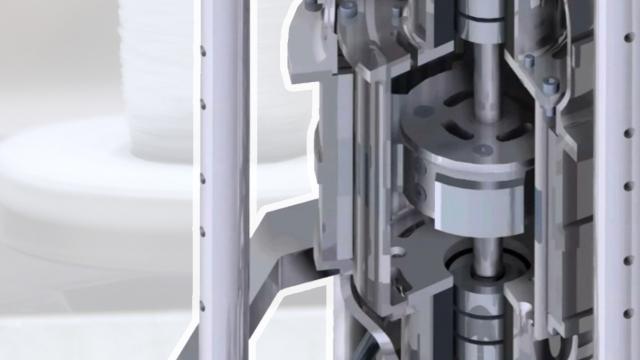
This Maglev Gearbox Doesn’t Need Teeth
The most inefficient part of a gearing system is also its most vital: the teeth. While they allow the systems to, y’know, work, they also introduce vast quantities of frictional losses and, in turn, mechanical wear — so this new system uses magnetic levitation to do away with them.
-

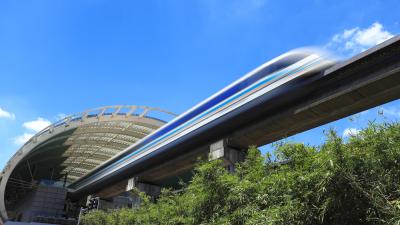
China’s Maglev Train Prototype Could Reach Speeds Of 2900km/h

A research team in China just successfully tested a blisteringly fast transportation concept: super-maglev, a high speed train that could theoretically hit speeds of up to 2900km/h. That’s three times the speed of a passenger jet.