mac
-
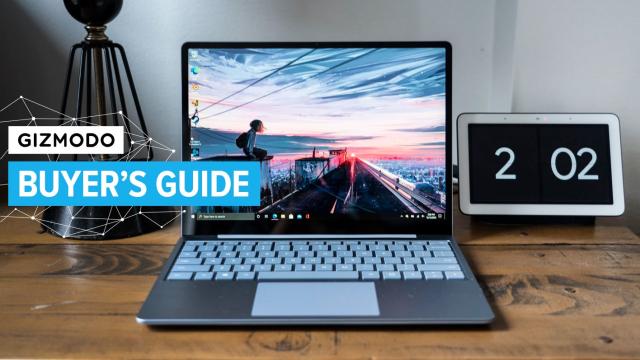
The Best Laptops In 2023

Some of our posts include links to retailers. If you buy something from clicking on one, G/O Media may earn a commission. Because editorial staff is independent of commerce, affiliate linking does not influence our editorial content. The best tablets are more capable than ever, but sometimes, you need a full computer. That’s why the…
-

Jony Ive Poaches Lead iPhone Designer to Work on OpenAI Hardware Device
Tang Tan, Apple’s lead designer for the iPhone and Apple Watch, is stepping down to join Jony Ive’s hardware firm LoveFrom, according to Bloomberg’s Mark Gurman on Wednesday. Tan is the latest Apple designer to join Ive, which is assembling an Avengers-like team with Sam Altman to create the next era of hardware devices running…

-
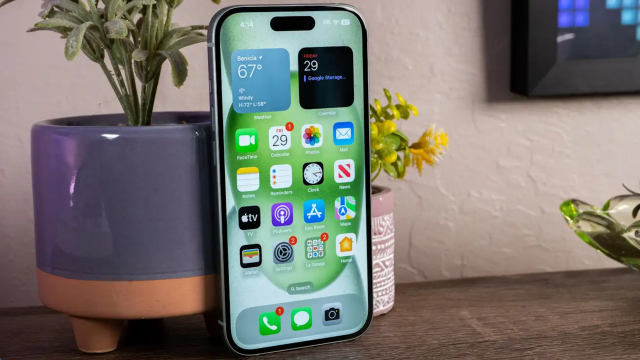
Why It’s A Good Idea To Update to iOS 17.2 and macOS Sonoma 14.2 – And What You’ll Get

Apple has released a slew of “full point” updates to iOS, macOS, iPadOS, watchOS and tvOS, adding new features and enhancing security.
-
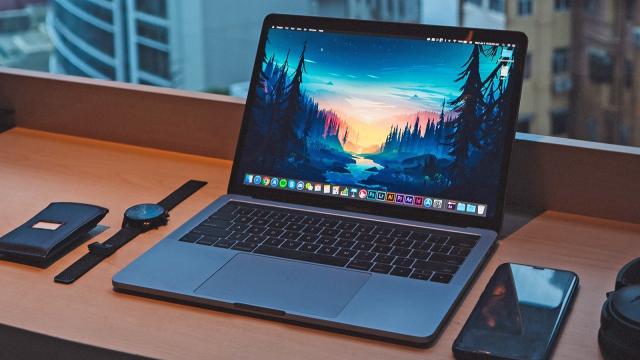
How To Keep Your Laptop or Desktop Well Maintained
Like anything mechanical—your car, for example, or your washing machine—your laptop or desktop computer will benefit from being regularly maintained, it’ll last longer and perform better, and the regular jobs you need to do to keep it in the best possible condition won’t take you too long or need too much expertise. The earlier you…