light
-
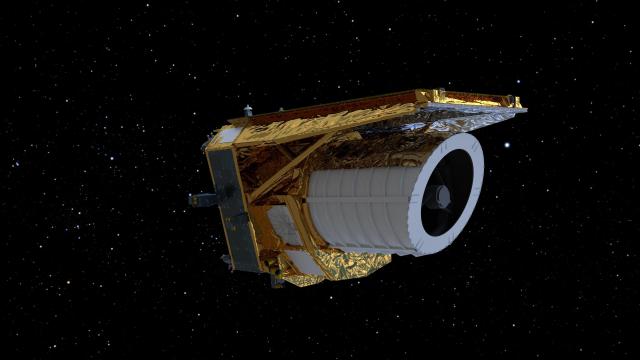
Engineers Heat Up Dark Universe Telescope, Restoring Euclid’s Sight

The European Space Agency’s (ESA) Euclid telescope is back in action after an experimental procedure restored its ability to see the light in the cold, dark depths of space. After noticing a gradual dip in the amount of light measured by Euclid from its surrounding stars, the team behind the mission devised a plan to…
-
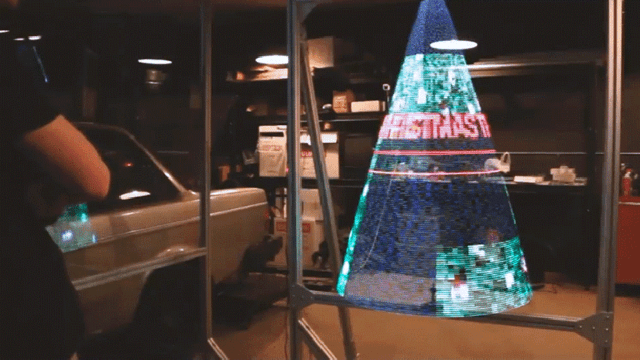
This Terrifying Spinning Holographic Christmas Tree Could Leave You Ho-Ho-Horribly Maimed
It may smell amazing, but that fresh cut Christmas tree in your living room can be a genuine fire hazard if you don’t regularly water it. But a dried tree engulfed in an inferno of flames almost seems safe next to this digital Christmas tree that spins a strip of flashing LEDs at terrifying speeds…

-
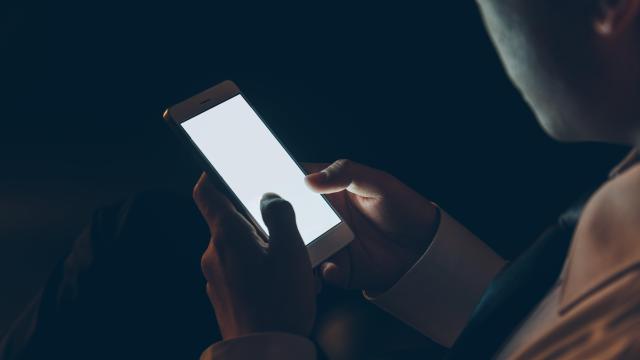
Blue Light Speeds Up Ageing? In Flies, Maybe
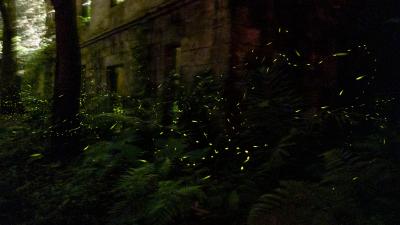
A new study this week suggests that long-term exposure to blue light may not be so harmless, at least for fruit flies. Researchers found that chronic blue light exposure prematurely aged the flies and damaged their brains, likely due to certain metabolic changes. But it’s not known whether blue light could cause similar harm in…
-
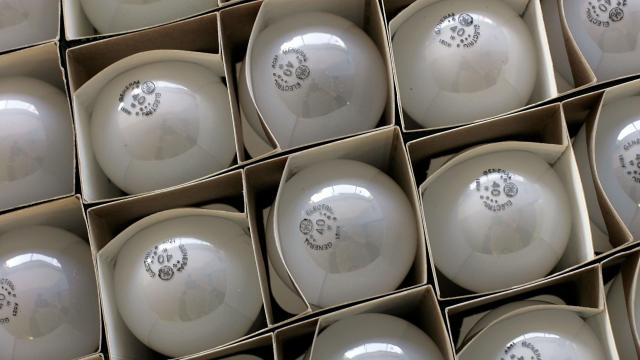
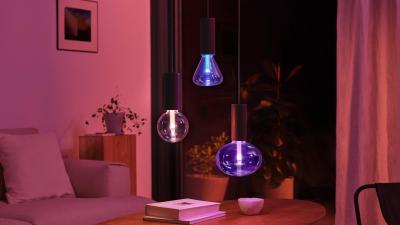
Say Goodbye to Incandescent Light Bulbs
Today, the U.S. Department of Energy announced that the incandescent light bulb is officially dead, and producers and sellers must begin phasing them out before a widespread ban in July 2023.