input
-
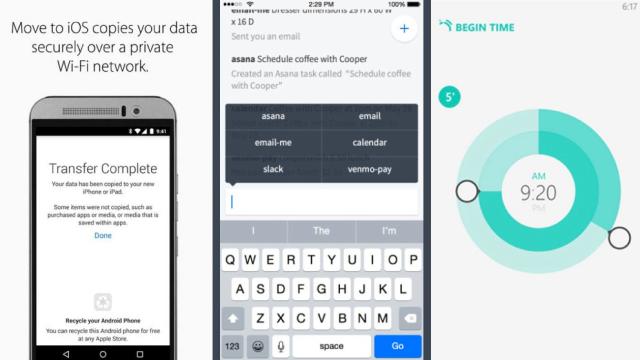
Our Favourite Android, iOS, And Windows Phone Apps Of The Week

It’s that day of the week again — the day when we post all the new apps worth checking out. This time around we’re highlighting Apple’s Android release (which has seen some major trolling), an app for iOS that’s all about helping you spend less time on your phone, and an alarm for Windows Phone…

-
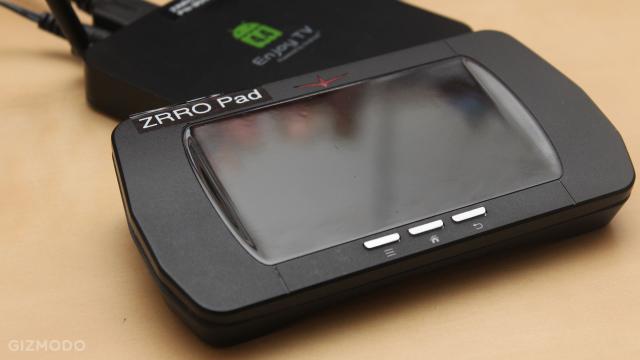
The ZRRO Hoverpad Is Almost The Game Controller I Want For My TV
A few weeks ago I found a crazy idea on Kickstarter: A gamepad that basically lets you touch your television without leaving your couch. It promises to track your fingers and display their location on the TV before they touch down. Now I’ve tried it. It’s promising, but needs work.

-
Asus Is Putting 3D Gesture Controls In Its PCs This Year
Leap Motion’s amazing-looking gesture control debuted last May and has had developers crawling all over it ever since. Now, Asus has announced that it’s teaming up with the company to produce a range of computers using the tech — and they should be here this year.

-
Is This The Best Gesture Control System Ever?
Gesture control as we know it is rudimentary at best. But a new San Francisco startup called Leap Motion has just announced a new 3D motion control system that its claims is 200 times more accurate than anything else on the market—and it’s set to cost just US$70.