hp
-
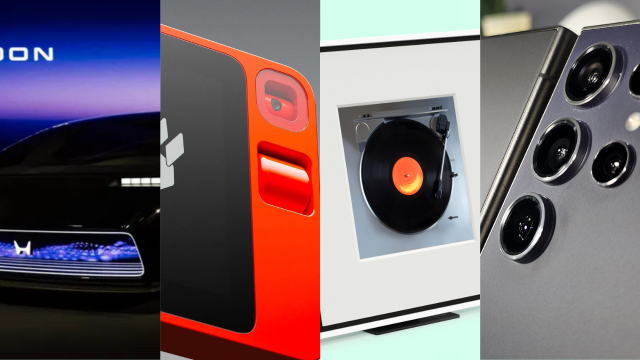
These Were January’s Coolest and Weirdest Gadgets

Here are all the weird and wonderful gadgets that caught our attention last month.
-
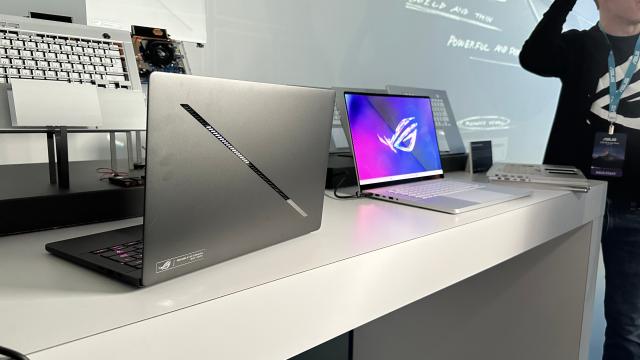
Asus Cuts a Bare Few Millimeters Off Its Already Ultra-Thin ROG Zephyrus Laptops

Just how light can a light gaming laptop get? The Asus Republic of Gamers brand has marked the four-year anniversary of its first ultra-thin Zephyrus G14 by going back to the drawing board, all to shave off bare fractions of the total pounds and centimetres of its lightweight laptop brand. At this rate, the Zephyrus…
-
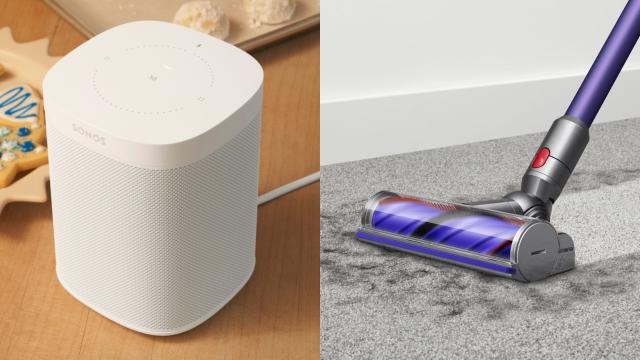
The 8 Best Cyber Monday Sales For Tech Lovers

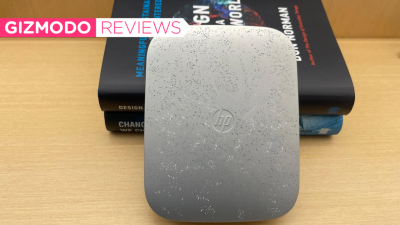
Black Friday is lasting all week, which means you can get deals on your favourite tech brands, including HP, Sony and Dyson.
-
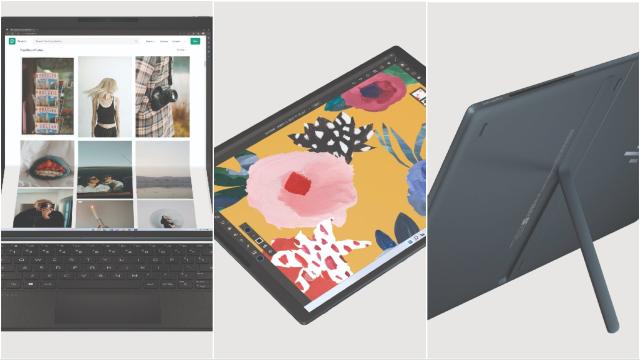
The HP Spectre Fold Aims for a True 3-in-1 Experience
Foldable phones promise us the 2-in-1 experience. There is Samsung’s Galaxy Z Fold 5 rolling out in the wake of Google’s first device with clapping screens, the Pixel Fold. Each vow they will be users’ phones and tablets, all inside your pocket. HP’s latest laptop takes the same sort of philosophy and expands it to a…