health
-
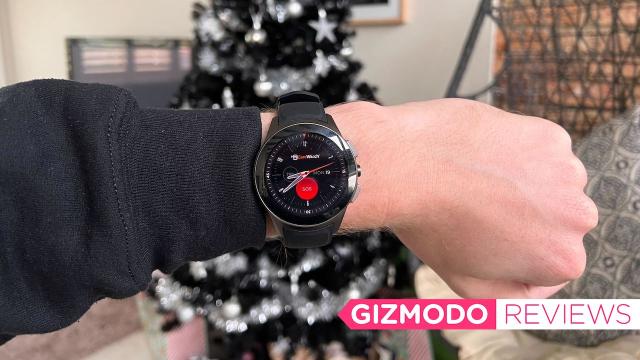
The mCare Smartwatch Provides Empowering Assistance to Those Who Need It Most

On the surface, the mCareWatch looks just like any other smartwatch available on the market, but this one means a lot more to those who need it most.

-
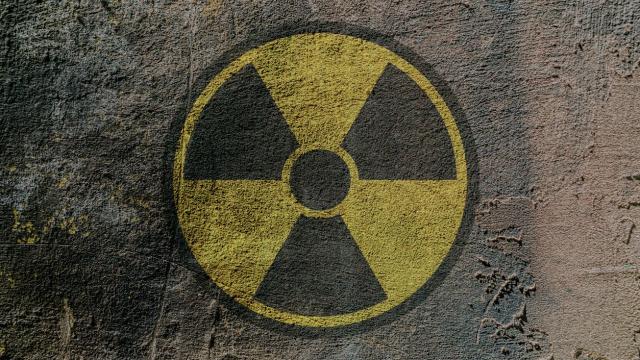
Are Bananas Really ‘Radioactive’? An Expert Explains

The simple mention of the word “radiation” often evokes fear in people. For others, it’s fun to think a little exposure to radiation could turn you into the next superhero, just like the Hulk. But is it true basically everything around us is radioactive, even the food we eat? You may have heard bananas are…

-

Ask Giz: How Much Sleep Is Too Much?
Sleep may be essential for the next day, but how much is too much? We get to the bottom of this question in this week’s Ask Giz.

-

CSIRO’s New Warning Tool Detects Patient Deterioration, but It Requires Better Electronic Medical Records

CSIRO has developed a machine learning-based early warning tool that alerts doctors to the deteriorating condition of patients in a hospital setting.