Hardware
-
Apple Suspends Hardware Partner Over Labour Violations

Apple has temporarily cut ties with a major manufacturing partner after discovering it was actively covering up an untold number of student labour violations in multiple China-based facilities.

-
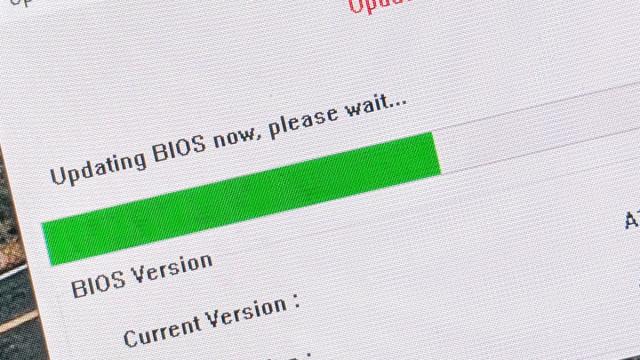
You Should Really Update Your BIOS

The BIOS (or Basic Input/Output System) is what kicks into gear when you turn on your computer: It’s the most fundamental level of software there is on your machine, checking that all the system components are working and in the right place, and loading up the main OS. The BIOS is vital to the smooth…


-
How To Choose Between Wired, Bluetooth, Or Wi-Fi For Your Home Speaker Setup

You’ve got more choices than ever when it comes to building a home speaker setup. But the real question is: Should you buy wired speakers, Wi-Fi speakers, or Bluetooth speakers? What about a mix of the three? Here we’ll outline the different approaches these three standards take in terms of audio, and what the benefits…

-
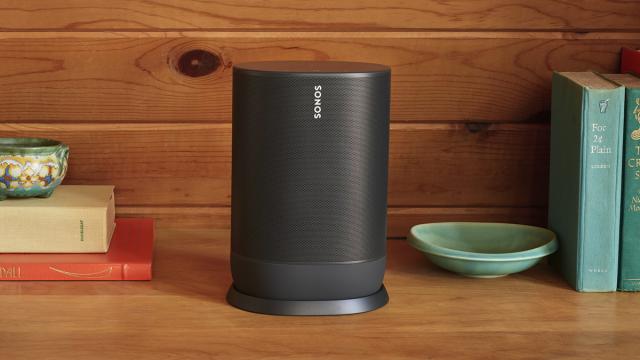
10 Tips And Tricks To Make You A Sonos Master
Sonos speakers have been providing high-fidelity wireless audio streaming hardware for several years now, but in recent times its tech has been evolving fast: We’ve seen portable versions of its speakers, the addition of on-board digital assistants, new support for audio protocols, and more besides. Here are ten tips to help you get the most…