genetics
-

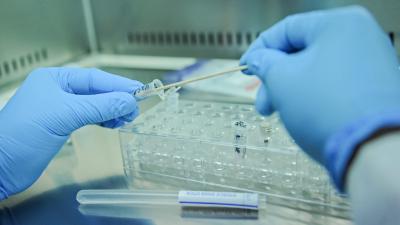
Doctors Discover Disease in Which People Can’t Make Antibodies

In new research this month, doctors say they’ve discovered a new genetic disorder that saps a person’s ability to make antibodies. The likely very rare and treatable condition, first identified in a young boy from Philadelphia, may one day help scientists better understand the immune system.
-
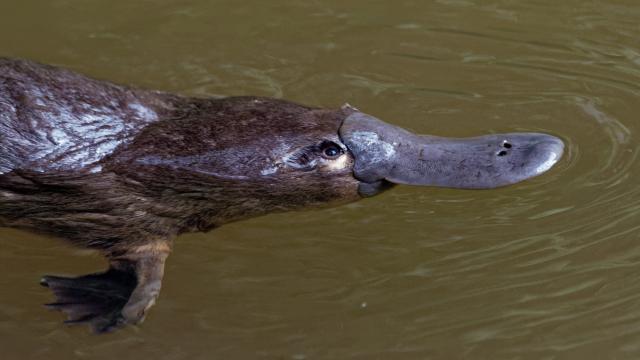
Researchers Take Another Look at Platypus DNA, and Yup, Still Weird
Waddling, wriggling, ambling, digging, laying eggs. There’s no shortage of verbiage when it comes to describing monotremata — the taxonomic order made up of only two animals, the platypus and the echidna. Rattling off the numerous weird traits of these creatures is trope in news coverage — and it’s near impossible to avoid, since they…

-
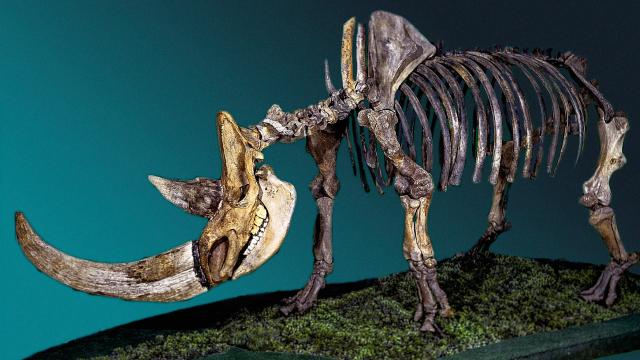
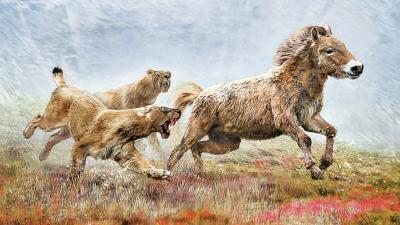
Humans Didn’t Hunt Woolly Rhinos to Extinction, New Evidence Suggests

New genetic evidence suggests it was a warming climate — not human overhunting — that killed off woolly rhinos at the end of the last ice age.

-
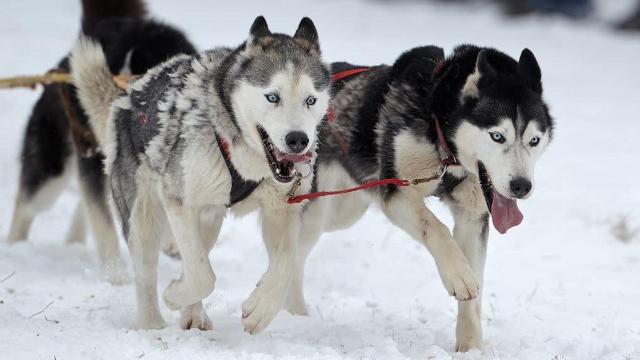
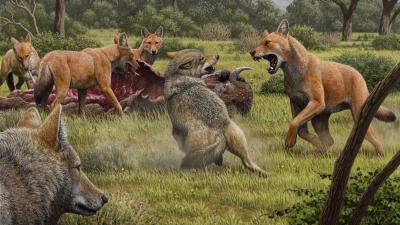
Sled Dogs Have an Unbroken Genetic Ancestry Dating Back Nearly 10,000 Years
Scientists have traced the ancestry of modern sled dogs, such as Siberian huskies and Alaskan malamutes, all the way back to the end of the last ice age, highlighting an extraordinarily long period of genetic continuity.