exoplanets
-
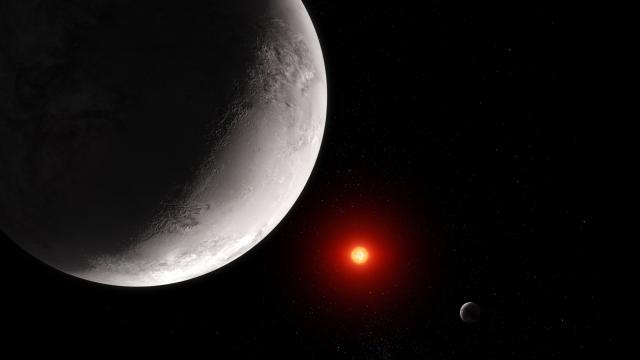
Webb Telescope Observations Suggest Habitable Planets May Be Rarer Than Previously Thought

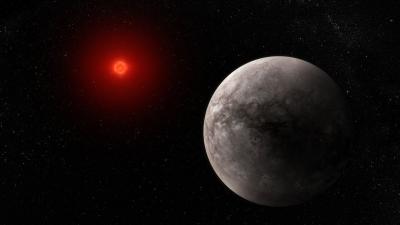
About 40 light-years from Earth, a set of seven Earth-sized planets are orbiting a star called TRAPPIST-1. Now, scientists studying the system with the Webb Space Telescope have found one of them, TRAPPIST-1 c, either lacks an atmosphere or has a very thin one, indicating that habitable planets may be fewer and farther between in…
-
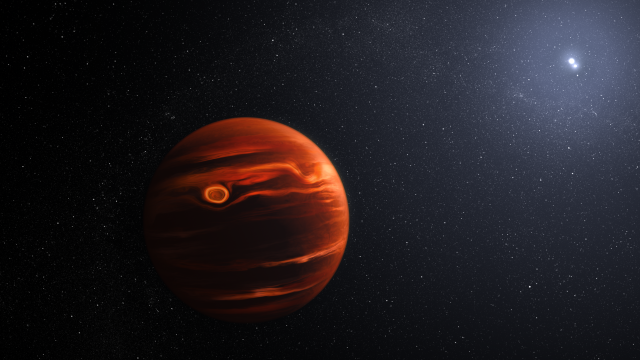
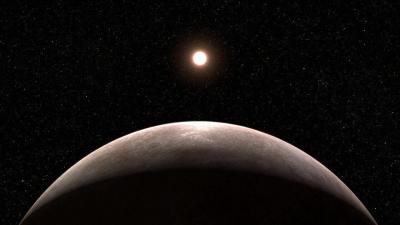
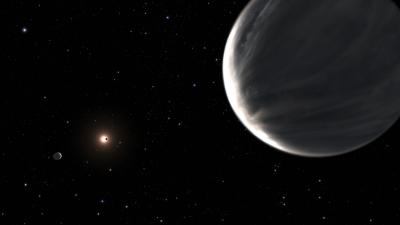
Webb Telescope Spots a Planet With ‘Gritty’ Clouds Just 40 Light-Years Away
The Webb Space Telescope just turned its infrared gaze at an exoplanet and found dense clouds swirling in the atmosphere of this quirky world.
-
NASA’s Planet-Hunting Spacecraft Is in Safe Mode After Possible Computer Glitch
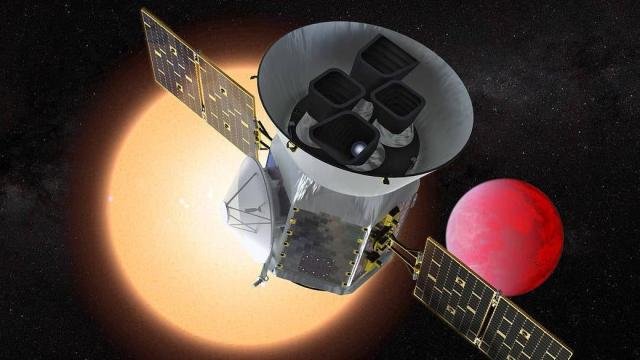
In the midst of surveying thousands of stars to spot exoplanets, NASA’s Transiting Exoplanet Survey Satellite (TESS) entered into safe mode on Monday. It’s not yet clear what happened to the spacecraft, but engineers are trying to resuscitate the planet hunter.


-

This Raised by Wolves Season 2 Trailer Is Heavy on Wolves
Full disclosure: the only two minutes of Ridley Scott’s gooey sci-fi HBO Max series Raised by Wolves that I’ve seen were in the original trailer for season one, which didn’t really capture my attention. Now I’ve seen two more minutes, courtesy of this brand-new season two trailer, you can consider my attention thoroughly ensnared. It’s very…