excerpts
-
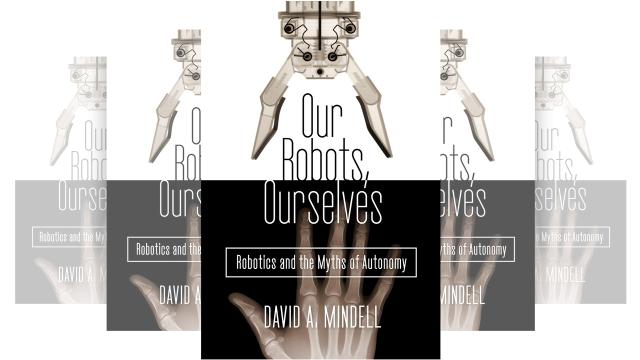
War Robots Don’t Have Minds Of Their Own

War, as structured state-sponsored fighting and dying, has given rise to venerated professions to manage its risks and bound its ethical dilemmas. The nature of those professions, and the meaning of their experiences, changes when the human body is no longer present in the fight, fuelling a public debate.


-
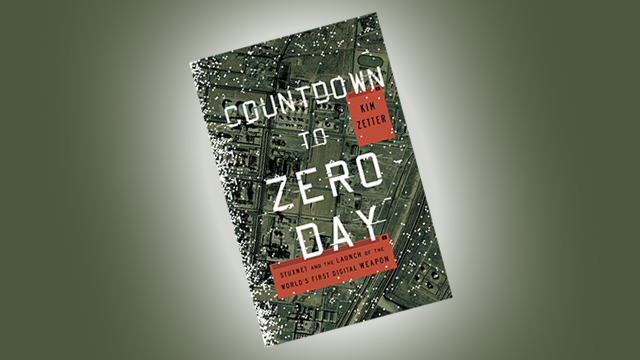
The Inside Story Of How Stuxnet Was Discovered
Countdown to Zero Day, a new book by Wired journalist Kim Zetter, is a whodunnit for the internet age. It tells the true tale of how a complicated virus, which later came to be known as Stuxnet, made its way into the world.

-
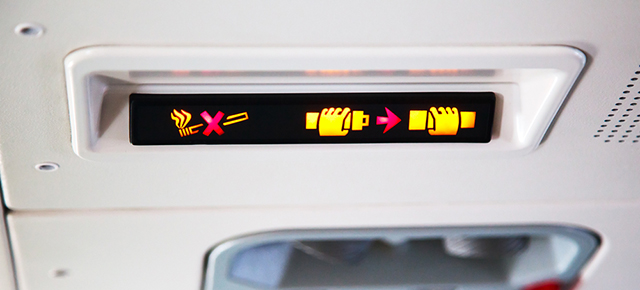
How Turbulence Happens, And Why It’s Not So Scary After All

Turbulence: spiller of coffee, jostler of luggage, filler of barf bags, rattler of nerves. But is it a crasher of planes? Judging by the reactions of many airline passengers, one would assume so; turbulence is far and away the number one concern of anxious passengers.
-
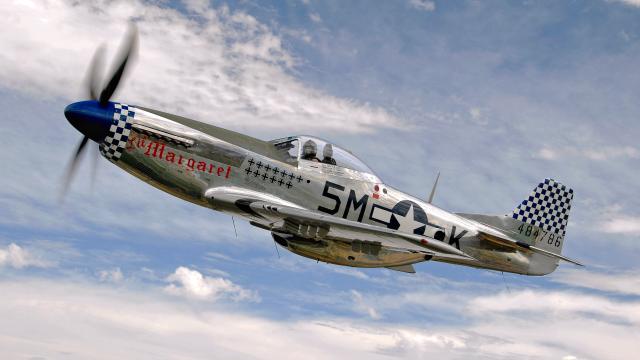
Monster Machines: This Gorgeous Warbird Is More Phoenix Than Mustang
The P-51 Mustang is one of the most iconic aircraft in aviation history. These long-range, single-seater fighter-bombers served throughout the Seconds World War as well as during in Korea before being relegated to scrap yards. But many have survived, some in the most unlikely of places. You’ll never guess what quiet suburb the Lil’ Margaret…