engines
-
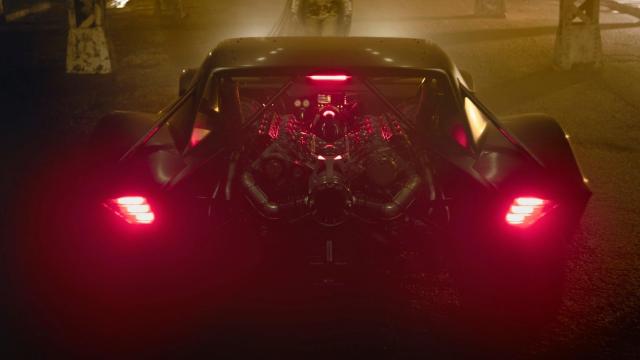
What Engine Is in the Back of the Batman’s Batmobile?

This morning, I was forwarded an email from a reader who had broken down nearly every aspect of the new Batmobile from The Batman. In his incredibly nerdy and detailed YouTube video, Josh White worked to identify everything from the body to the (two) engines to the make and model of the seats. But, in…

-
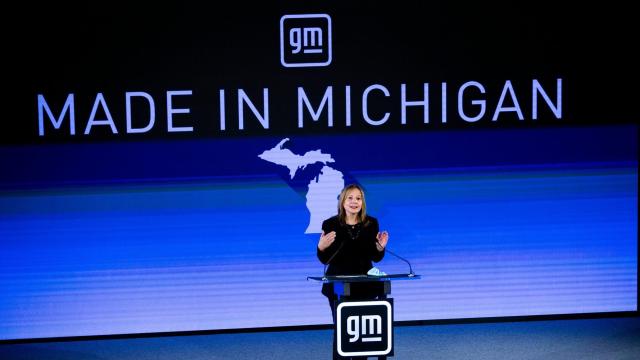
GM Rolls Out $10 Billion Investment Plan to Build Electric Trucks and Batteries
General Motors helped hook Americans on gas-guzzling trucks and SUVs that have been a disaster for the climate. Now, it’s getting serious about a pivot to electric vehicles amid increased electrification efforts from other top automakers. On Tuesday the automaker announced it will invest roughly $US7 (A$10) billion to build out a new EV battery…

-

GM, Ford Are Giving Back… To Those People Who Say The Election Was A Fraud
Less than a year after pledging to stop or alter donations to lawmakers who lied about 2020 election results — Detroit automakers are already back to giving them money.

-
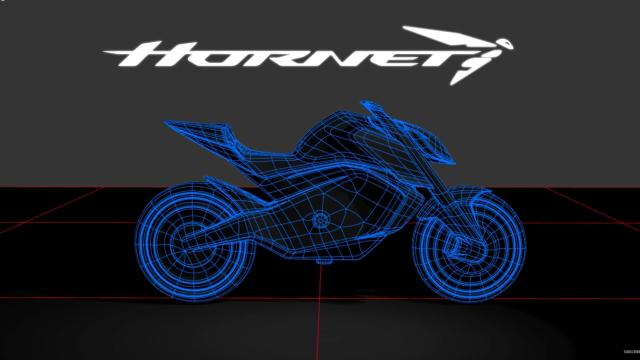
Honda Is Bringing The Hornet Back
Hornet is a storied nameplate in the motorcycle landscape. Well, it is everywhere but here, anyway. Back when the Hornet originally launched back in 1998 Chrysler still held the Hornet name in the U.S. market thanks to a long dead AMC product, so here it was known as the CB600F. Maybe it would have done…