dna
-

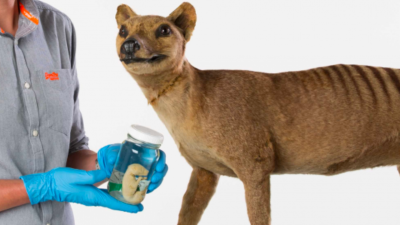
The CSIRO Is Building Out a DNA Library of Every Australian Animal and Plant

Australia’s national science body, the CSIRO, is building out a DNA library for every known Australian animal and plant species.

-

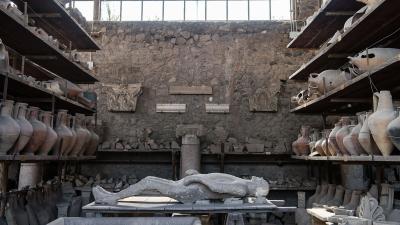
The AFP Has Found 5 Missing Persons Through Forensic Tech, but There Are Still Hundreds More

The National DNA Program for Unidentified and Missing Persons sees the AFP use forensic tech to match remains and give closure to many.

-
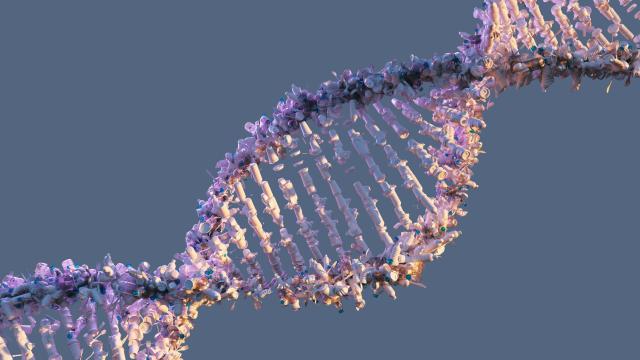
Scientists Have Finally Mapped the Whole Human Genome

Scientists have finished mapping the entire human genome, about 20 years after most of the map was complete. In new research this week, a team reports they have achieved a gapless genome sequence, accounting for 8% of genetic information not previously known. The missing data may provide more insights about the evolutionary journey of humans…

-
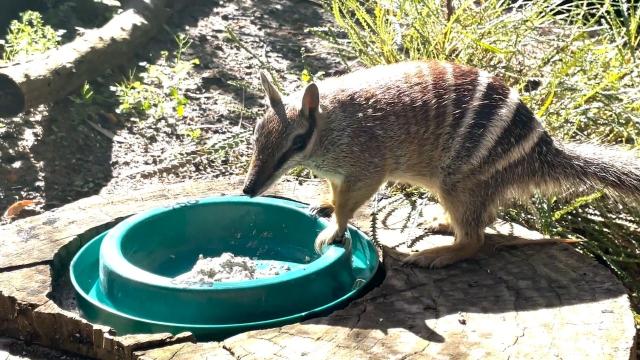
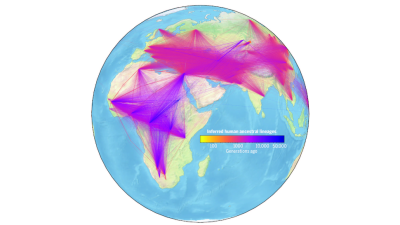
What Mapping Animal DNA Means For Endangered Species Like the Numbat
The University of Western Australia, in collaboration with DNA Zoo Australia, has mapped out the Numbat genome for the first time ever.