cyborgs
-

Listen To Sarah Connor Say ‘Metal Motherfucker’ In The New Terminator: Dark Fate Featurette

Paramount’s Terminator: Dark Fate panel at San Diego Comic-Con showed Hall H some footage but didn’t release it online. Instead, they’ve gifted us a shiny new look at the latest instalment of the cyborg-battling franchise in featurette form.




-
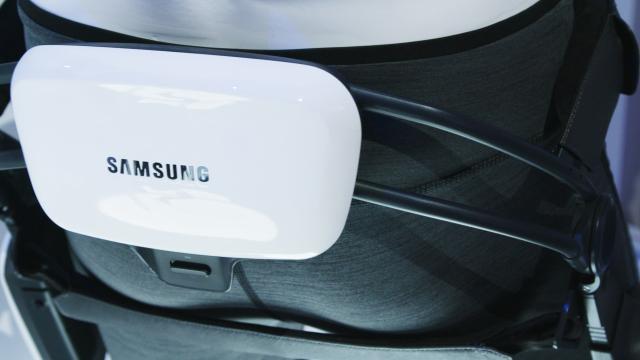
Samsung Let Me Wear An Exoskeleton, And I Liked It
When a lot of people picture an exoskeleton, they might imagine Matt Damon wearing a robotic jumpsuit of sorts in the entertaining but critically panned move Elysium. Samsung has a different idea for how this technology might work. At the Consumer Electronics Show (CES) in Las Vegas, the company showed off a line of exoskeleton…

-
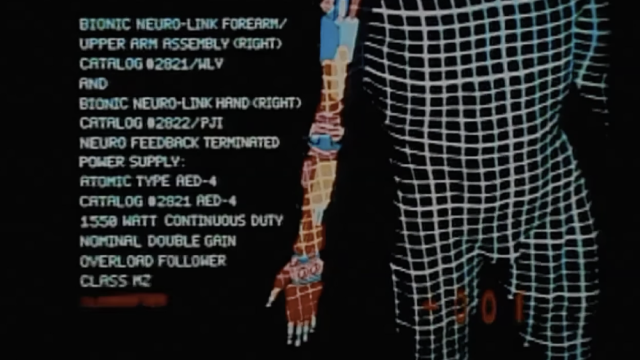
Iconic Bionics: 11 Of The Best Cyborg Superhumans In Pop Culture
We can rebuild him. We have the technology.Image: The Six Million Dollar Man (NBCUniversal) In Upgrade – the latest film directed by Leigh Whannell – a man named Grey Trace recovers from violent crime and paralysis with advanced technology that makes him a sort of vigilante superhero. Cool as he is, he’s just a new…
-

Australian Biohacker Who Implanted Opal Card In His Hand Convicted For Not Using Valid Ticket
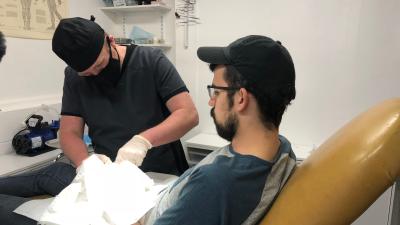
Digging through your purse or pockets every time you enter public transit can be a hassle, so last year Australian biohacker Meow-Ludo Disco Gamma Meow-Meow (yes, that’s his legal name) had a chip from an Opal transit pass implanted in his hand. The chip allowed him to tap on or off of trains in Sydney…