curiosity
-
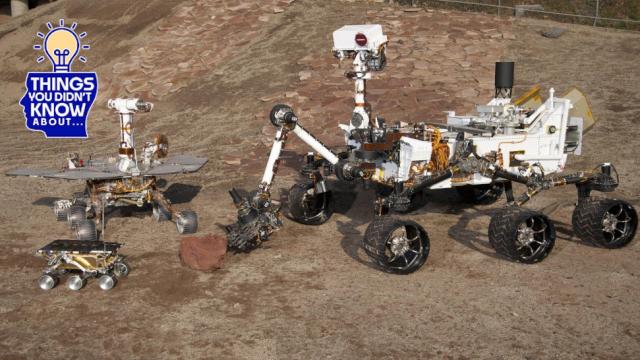
Things You Didn’t Know About NASA’s Mars Rovers

On July 4, 1997, a tiny, flat robot touched down on the surface of Mars and became the first wheeled vehicle to roam around on another planet. Since then, a fleet of Martian rovers have followed in the tracks of Sojourner and they have become bigger, better, and more autonomous over the years. Sojourner was…
-
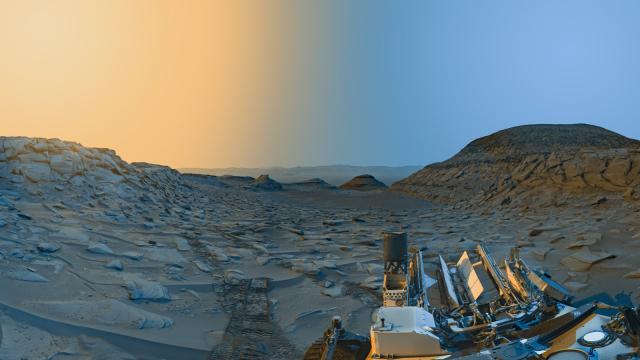
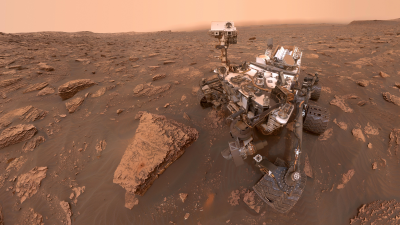
Check Out the Curiosity Rover’s Colourised Panoramic Postcard From Mars
The Mars rover’s shot of Marker Band Valley is given a colourful makeover in the new image.
-
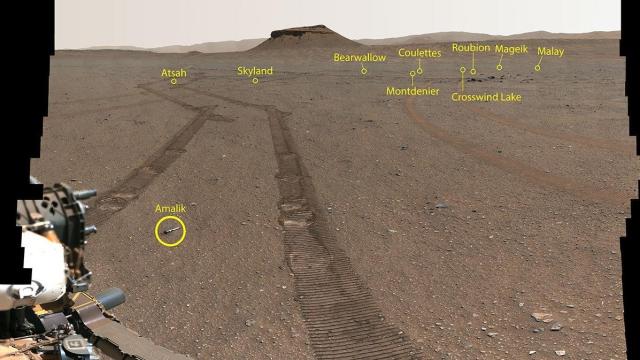
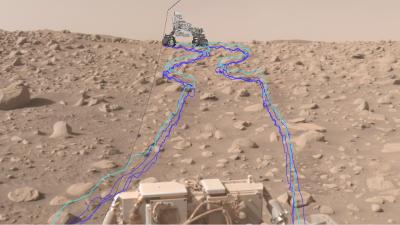
See Perseverance’s Collection of Rock Samples Scattered Across Martian Surface
NASA’s Perseverance rover has spent its two years on Mars imaging the planet’s surface and collecting rock samples that will, should all go well, be brought to Earth in the early 2030s.
-
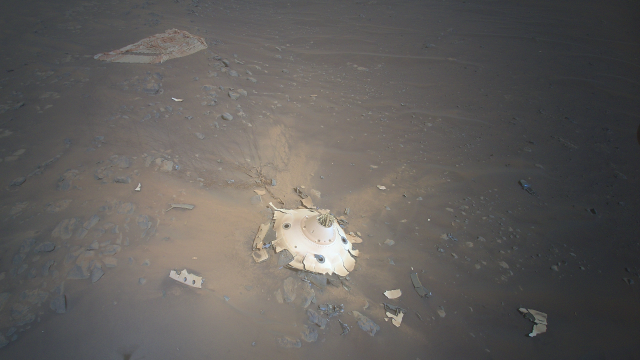
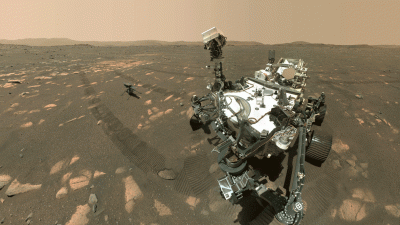
NASA’s Mars Helicopter Spots Wreckage From Perseverance Landing
During a flight on April 19, NASA’s Ingenuity Mars helicopter snapped a photo of the wrecked backshell and parachute that helped land the Perseverance rover back in February 2021.