chrome
-
Everything New in Chrome 104

Google’s latest update, Chrome 104, is here. Assuming you have the surprisingly generous system requirements, you can update your browser today to take advantage of its new features and changes. The biggest UI changes are for Chromebook users running Chrome OS, but all Chrome users will benefit from the security patches.


-
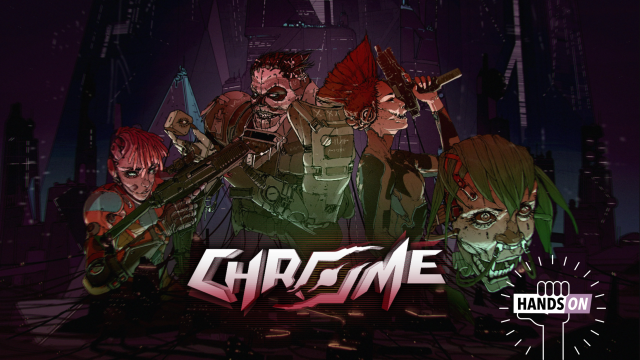
Digital RPG Chrome Rides the Bleeding Edge of Cyber-Noir Gameplay

It’s fitting that one of the first large-scale tabletop role-playing games built to be played exclusively within a digital environment is described as “cyber-noir.” Chrome is an original TTRPG based off Mothership’s D100-based Panic Engine, coded and created entirely within its native online application, Role. With excellent art, a slick presentation, and a compact package,…
-
Google’s New Chrome OS Flex Will Rescue Your Old PC or Mac
Google today announced a new operating system, Chrome OS Flex, free-to-use, cloud-based OS built to convert old PCs or Macs into Chromebooks.


-
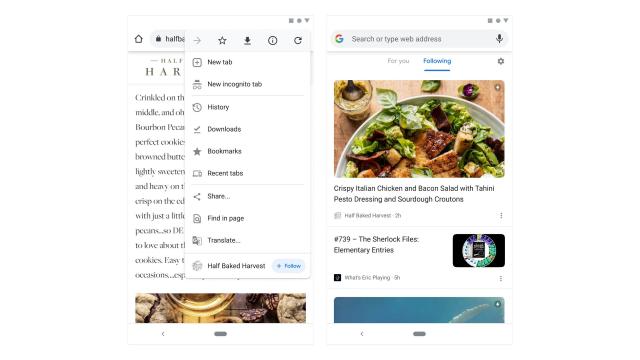
RSS Is Making a Comeback on Google Chrome
No, Google has not resurrected Google Reader, but it is working on a feature in Chrome that lets you follow multiple RSS feeds.