censorship
-

Instagram Has Changed Its Algorithm In The Wake Of The Gaza Conflict

Instagram has tweaked its algorithm after a number of employees reportedly complained that the company was censoring pro-Palestinian content amid the ongoing violence in Gaza. The Facebook-owned company asserted that its algorithm previously prioritised original content in its stories, rather than re-shares, seemingly blaming this for the censorship allegations. However, Instagram confirmed on Sunday that…

-
ISP in Idaho Planned to Block Facebook and Twitter to Punish ‘Censorship’

Responding to the public backlash over Twitter and Facebook’s decision to boot Trump from their platforms, an internet service provider in rural Idaho, USA told customers that it would block the popular social media networks by default. But that decision sparked a separate mini-backlash, and the company is now reportedly only blocking the sites for…
-
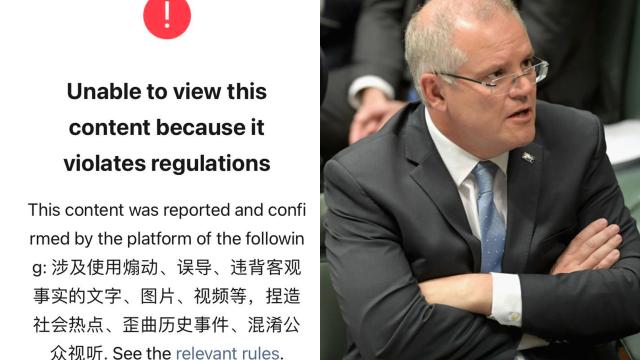
Scomo’s Post Responding to China Has Been Removed From WeChat

In the escalating social media battle between Australia and China, an attempt from Scomo to reach out to the users of WeChat has been hamstrung. On Wednesday night, users noticed that a post from Australian prime minister Scott Morrison’s account on the Chinese social media platform WeChat had been removed. 【突发】澳大利亚总理莫里森的官方微信账号昨天发布的关于“澳大利亚士兵虚假图片”的文章被微信删除,称该内容“涉及使用煽动、误导、违背客观事实的文字、图片、视频等,捏造社会热点、歪曲历史事件、混淆公众视听”。 pic.twitter.com/KNBZu4O9ny — ABC中文 (@ABCChinese)…


-
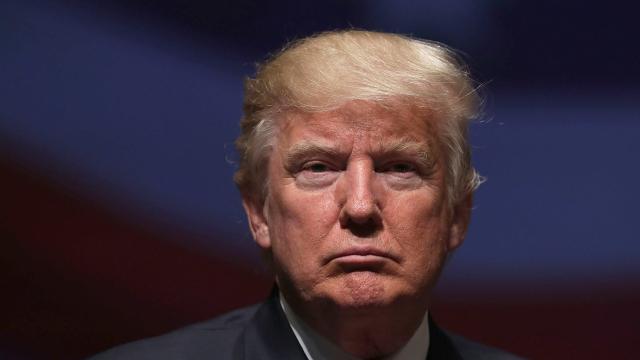
Twitter Blocks Controversial Trump Tweet By Limiting Likes and Retweets
With just hours to go until the 2020 general election gets underway, Twitter has slapped a “disputed” label on one of President Donald Trump’s tweets, limiting users’ abilities to interact with content the platform has deemed “misleading about an election or other civic process.”