bombs
-
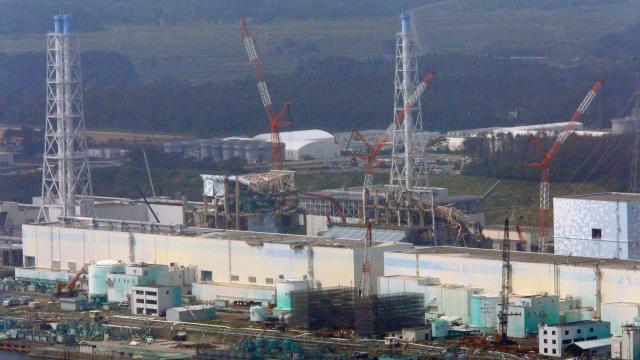
Suspected Bomb From WW2 Found At Fukushima Nuclear Site

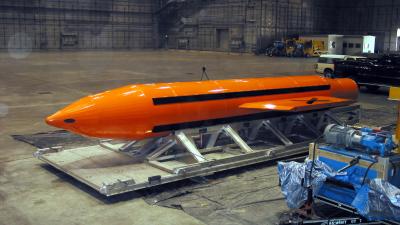
In a classic case of adding insult to injury, workers at the beleaguered Fukushima nuclear power plant have uncovered what appears to be an undetonated bomb dating back to the Second World War.


-
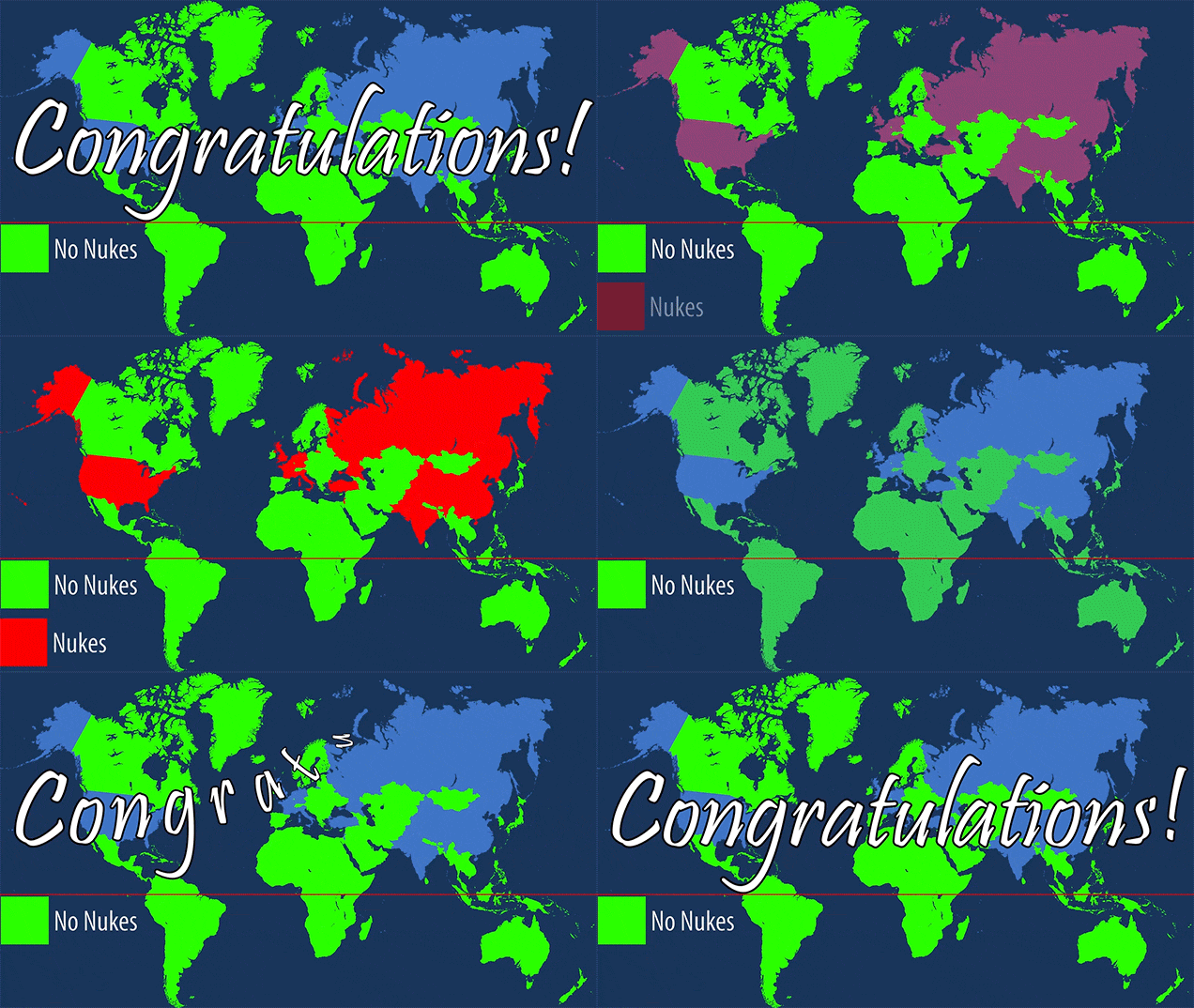
So How Close Do You Live To A Nuclear Bomb?
Hooray. If you live south of the Equator or in any of the countries that light up green in the map above, you’re good. Keep on living there because you don’t squat next to any nuclear weapons. But if you’re in the countries painted red — like the United States, Germany, Russia, China, India and…
-
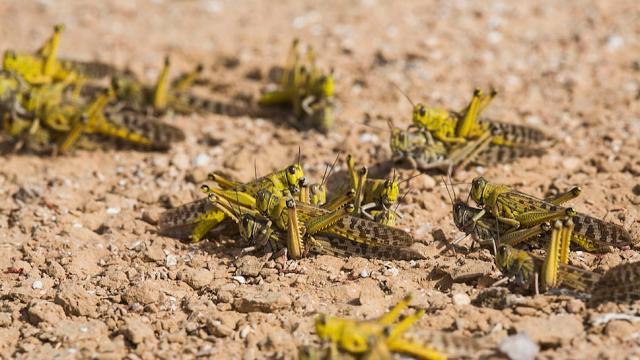
Scientist Wants To Engineer Locusts Into Remote-Controlled Bomb Detectors
Locusts contain multitudes. Though traditionally associated with Biblical plagues that destroy crops, it turns out that they could have a second career as remote-controlled cyborgs that sniff out explosives. This possibility is only slightly less terrifying.
-
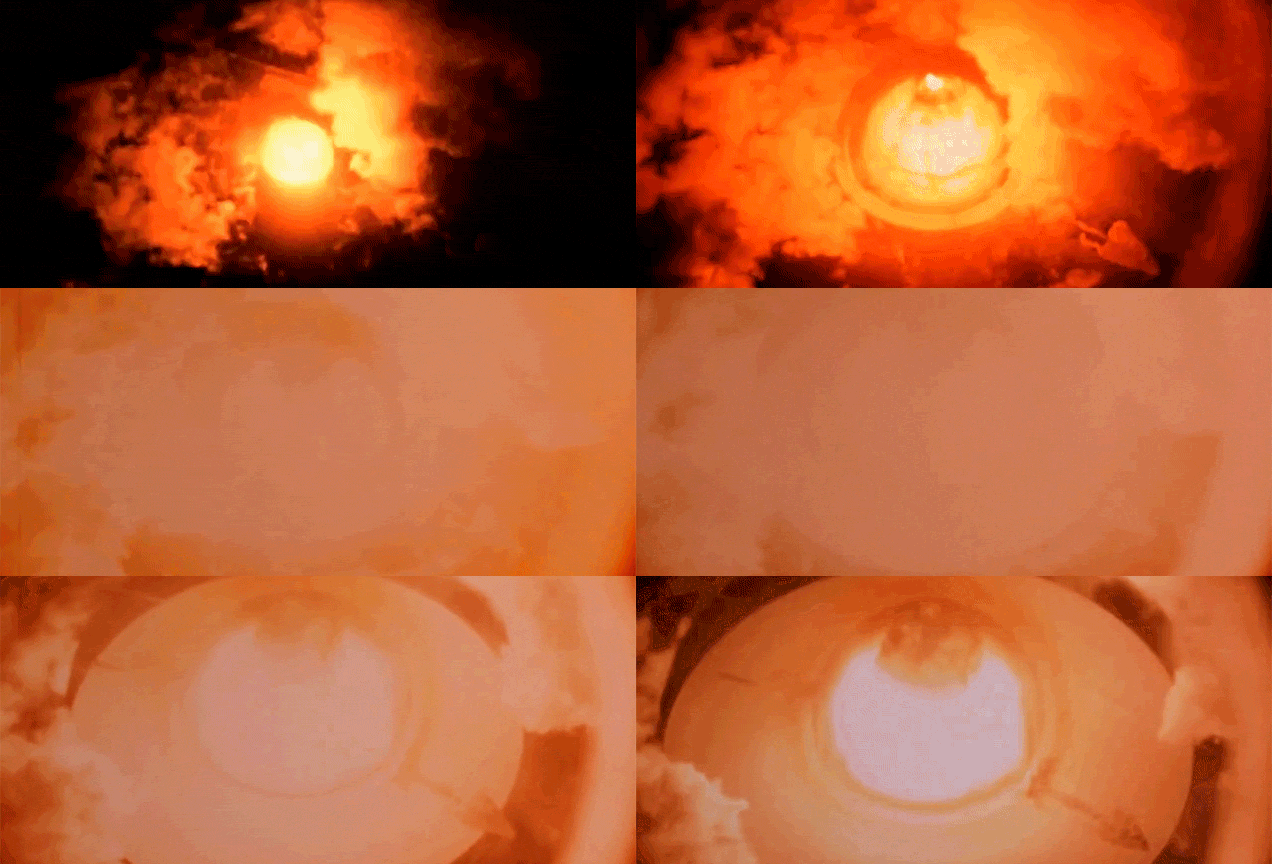
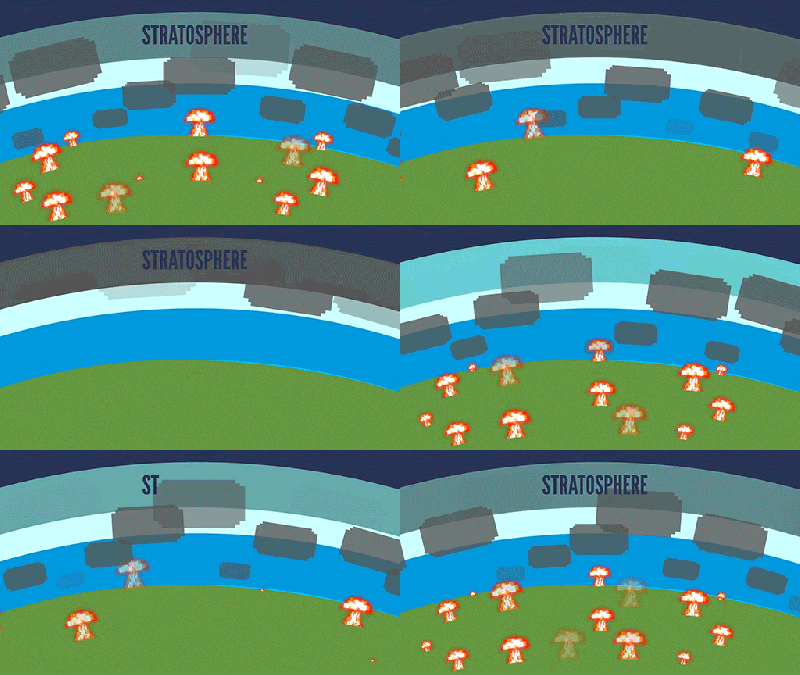
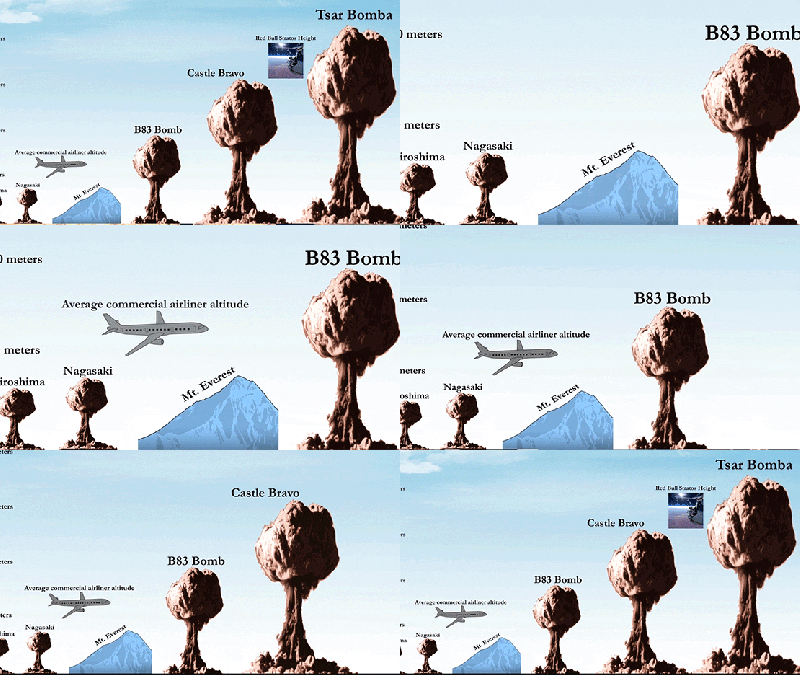
All The Largest Nuclear Explosions In History
Video: Nuclear bombs are the deadliest weapons we’ve ever created because of the destruction they have caused to human life and the damage they leave with radiation and the sheer magnitude of their explosions. The arms race led to more and more testing of bigger and bigger bombs. Here are the largest nuclear explosions in…