biology
-
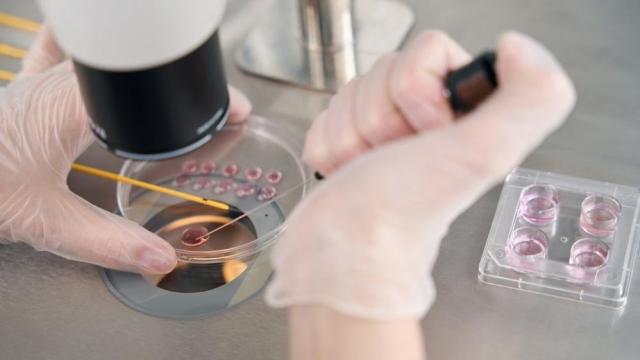
New Human-Like Synthetic Embryos Could Uncover Cause of Miscarriages, Scientists Say

Scientists in the United Kingdom and the United States have created synthetic human-like embryos without the need for eggs or sperm. While the embryo does not have a brain or heartbeat, scientists are hopeful that it will shed light on the cause of miscarriages and genetic diseases.

-
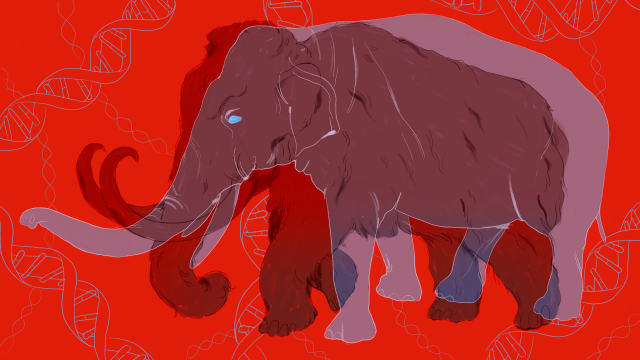
Why a Genome Can’t Bring Back an Extinct Animal
Makeshift mammoths and body-double dodos are on the way – but they won’t be the same.

-

Scientists Are About to Try to Create Stem Cells in Space
Stem cell research is expanding beyond earthly confines. Scientists from Cedars-Sinai in California have partnered with the private company Axiom Space to help them produce stem cells aboard the International Space Station — an apparent first that will test whether these cells can be manufactured more efficiently in a microgravity environment. The initial cargo needed…
-
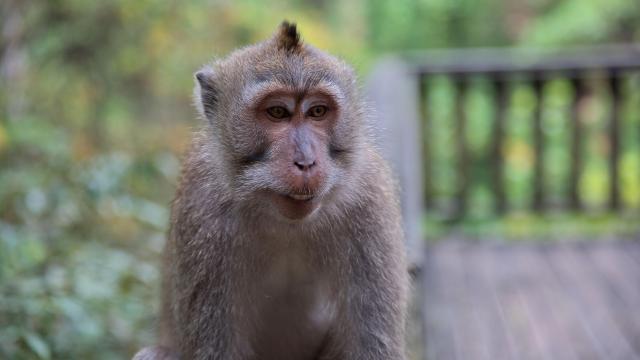
In a First, Scientists Say They Created ‘Embryo-Like’ Structures From Monkey Stem Cells
Scientists in China this week say they’ve accomplished a first in bioengineering: creating embryo-like structures from monkey stem cells. The structures were implanted in surrogate female monkeys and briefly grew but did not become viable fetuses. The research may eventually help us better understand the earliest moments of human development and how it can go…